Bulgaria in 2026: Euro, Schengen, and What It Means for Expats
Updated August 14, 2026 · 7 min read
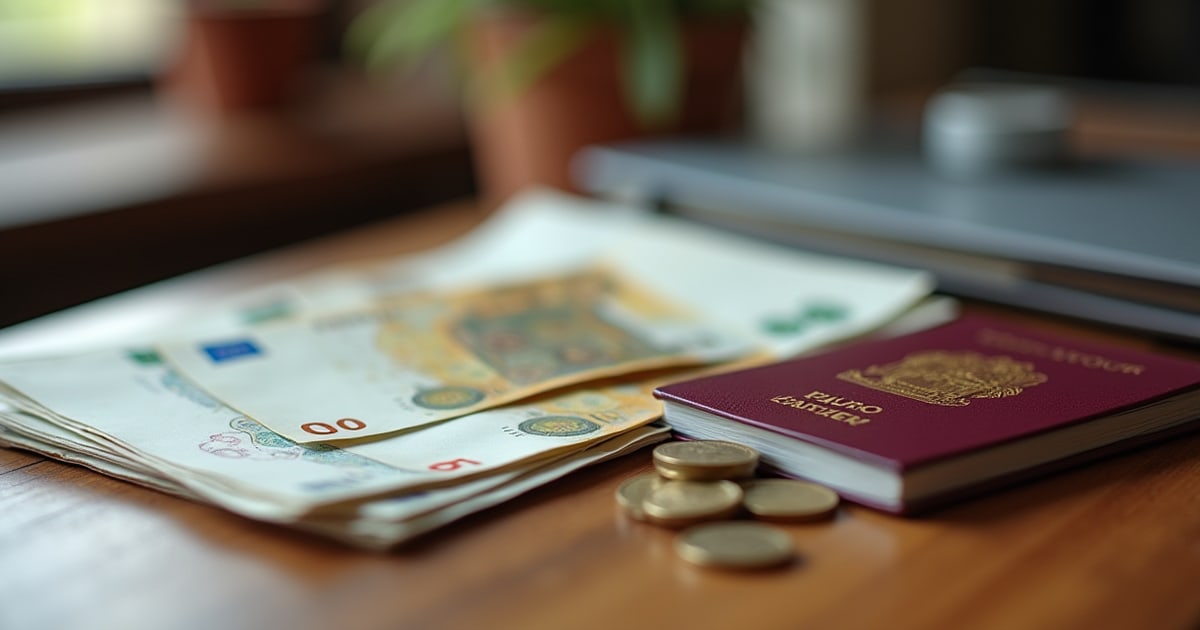
In the space of thirteen months, Bulgaria completed the two biggest integration steps left on its European to-do list. On January 1, 2025, it became a full Schengen member, ending land border checks with Greece and Romania. On January 1, 2026, it retired the lev and adopted the euro. If your mental model of Bulgaria involves currency exchange booths and passport queues, it is out of date — and the practical math of moving here has changed with it.
This article covers exactly what changed, what it means for different kinds of expats, and — just as important — what did not change. For the full relocation picture, start with the complete guide to moving to Bulgaria.
The Timeline at a Glance
| Date | What happened |
|---|---|
| March 31, 2024 | Air and sea border checks with the Schengen area lifted |
| January 1, 2025 | Land border checks lifted — Bulgaria becomes a full Schengen member |
| August 8, 2025 | Mandatory dual pricing (lev and euro on every price tag) begins |
| January 1, 2026 | The euro becomes Bulgaria's currency at a fixed 1.95583 BGN per euro; accounts, salaries, and pensions convert automatically |
| February 1, 2026 | The euro becomes the sole legal tender — lev cash is no longer accepted in shops |
| August 8, 2026 | The dual price display requirement ends |
The Euro Switch: How It Worked
Bulgaria entered the euro area as its 21st member on January 1, 2026. The changeover was less dramatic than outsiders expected, for one structural reason: the lev had been pegged to the euro (and to the Deutsche Mark before it) through a currency board since 1997, at the same 1.95583 rate that became the official conversion rate. There was no devaluation, no float, no cliff — the peg simply became permanent.
The mechanics, in brief:
- Bank accounts, salaries, pensions, and contracts converted automatically at the fixed rate, at no cost, over the New Year weekend.
- During January 2026, lev cash and euro cash circulated side by side; change was given in euros. From February 1, 2026, the euro became the only legal tender.
- Commercial banks handled free cash exchanges through the first months of 2026; the Bulgarian National Bank exchanges lev banknotes and coins at the fixed rate indefinitely and free of charge, so a drawer full of leva never becomes worthless.
- To prevent sneaky rounding, shops were required to display prices in both currencies from August 8, 2025, until August 8, 2026 — a full year window that made price comparisons effortless.
What the Euro Changes for You
Banking and money transfers
This is the biggest quality-of-life upgrade. Transfers between Bulgaria and the rest of the euro area are now ordinary SEPA payments — no currency conversion, no spread, no timing anxiety. Euro-denominated salaries, pensions, and client invoices land at face value. Wise and Revolut still work fine, but the arbitrage case for them has narrowed to non-euro currencies like the US dollar and the British pound. Bulgarian IBANs keep their BG prefix and work everywhere in SEPA. If you are just setting up, see opening a bank account in Bulgaria.
Existing deposits, loans, and mortgages converted automatically at the fixed rate — nobody's debt grew or shrank in the changeover.
Prices — did everything get more expensive?
The honest answer: the changeover itself did not cause a price shock, but Bulgaria's prices have been rising for years for ordinary reasons — fast wage growth, a hot property market, and post-pandemic inflation. Some cafes and services nudged prices up around the switch, and the year of mandatory dual display existed precisely to make that visible and embarrassing. Bulgaria entered the euro area as its cheapest member and remains so in 2026. The realistic numbers — rents, groceries, utilities, budgets by city — are kept current in cost of living in Bulgaria.
For pensions and foreign income
Retirees paid in euros (German, Dutch, French, Italian pensions and so on) now receive their money with zero exchange friction — what leaves the pension fund is what arrives. US and UK retirees still carry dollar and pound exchange risk, as before; only the Bulgarian side of the equation became euro-fixed. Details on the pension route itself are in retiring in Bulgaria.
Full Schengen: What It Changes
Traveling from Bulgaria
Flights from Sofia, Plovdiv, Varna, and Burgas to the Schengen area now depart like domestic flights — no passport control on either end. The land crossings to Greece and Romania, once famous for summer queues measured in hours, are now drive-through. Weekend trips to Thessaloniki or Bucharest, ski runs to the Alps, and multi-country road trips no longer involve border planning at all.
For non-EU residents of Bulgaria
This is the underrated change. A Bulgarian residence permit (or a valid D visa) now lets you travel throughout the entire Schengen area for up to 90 days in any 180-day period, with no additional visas. Winter in Spain, a conference in Berlin, family visits to Vienna — all on your Bulgarian card. Your right to live in Bulgaria itself remains unlimited by that count; the 90/180 clock only applies to the other Schengen states. What the permit types are and how to get one: Bulgaria residence permits explained.
For visitors — the fine print nobody advertises
There is a flip side. Before 2025, time spent in Bulgaria did not count against the Schengen 90/180 limit, and slow travelers famously used Bulgaria to "reset" their Schengen clock. That loophole is gone: Bulgaria's days are Schengen days now. Americans, Britons, Canadians, and other visa-free visitors get 90 days in any 180 across the whole zone, Bulgaria included. If you want more than a quarter of the year here, you now need a residence path — for most readers that means the D visa, and for remote workers specifically the new digital nomad permit.
What It Means by Profile
- Remote workers. EU clients pay you by SEPA with zero friction; Schengen travel from a Bulgarian base is unlimited planning-wise (90/180 outside Bulgaria); and the 2026 digital nomad permit finally gives non-EU nomads a clean legal ground.
- Retirees. Euro pensions arrive intact, winters can legally include Spain or Portugal, and the pension-based residence route is unchanged.
- Property owners and investors. Transactions, valuations, and rents are now quoted in euros, removing the (mostly psychological) currency question from Bulgarian real estate. Prices in the big cities rose notably in the run-up to euro entry. If you are considering a purchase, start with buying property in Bulgaria as a foreigner.
- Business owners. Euro invoicing and accounting, no conversion line items, cheaper payment processing, and a credibility bump when dealing with euro-area counterparties. The 10 percent corporate tax did not move.
What Did NOT Change
- The 10 percent flat tax. Euro adoption has no effect on Bulgarian tax rates — personal and corporate income tax remain a flat 10 percent, dividends 5 percent. The details are in the Bulgaria tax guide for foreigners.
- Immigration rules for non-EU citizens. Schengen membership did not create an EU-wide residence permit. Bulgarian residence is still granted under Bulgarian law, via the D visa process — it simply now comes with Schengen travel rights attached.
- The bureaucracy. Official procedures still run in Bulgarian, still love paper, and still reward patience and complete files.
- The value equation. Bulgaria is still the cheapest euro-area country to live in. The gap with Western Europe narrowed slightly; it did not close.
FAQ
Can I still exchange old lev banknotes?
Yes. The Bulgarian National Bank exchanges lev banknotes and coins into euros at the fixed 1.95583 rate indefinitely and without fees. There is no deadline and no haircut — the money in your old vacation envelope is safe.
Did prices jump when the euro arrived?
There was no measured price shock at the changeover, in part because the year-long dual display requirement (August 2025 to August 2026) made rounding games easy to spot. Prices in Bulgaria have been rising steadily for years, but that is wage growth and demand, not the euro. Bulgaria remains the cheapest country in the euro area.
Are there really no border checks to Greece and Romania anymore?
Systematic passport checks at the land borders ended on January 1, 2025. Police can still perform random spot checks near border areas, as they can anywhere in Schengen, so carry your ID when crossing — but the queues are gone.
As a tourist, can I stay 90 days in Bulgaria plus 90 days in the rest of Schengen?
No — not anymore. Since January 1, 2025, Bulgaria is inside the shared Schengen 90/180 calculation. If you want to spend more than 90 in 180 days in the zone, you need a national visa or residence permit; Bulgaria's D visa routes are the usual answer for people who want to base here.
Sources
- European Central Bank — Bulgaria adopts the euro
- European Commission — Bulgaria and the euro
- Council of the EU — Bulgaria ready to use the euro from 1 January 2026
- Council of the EU — Schengen: lifting of land border controls with Bulgaria and Romania
- European Commission — Bulgaria and Romania join the Schengen area
Got a question this guide didn't answer? Ask the community — we reply to every question.