Moving to Bulgaria: The Complete 2026 Guide
Updated August 14, 2026 · 19 min read
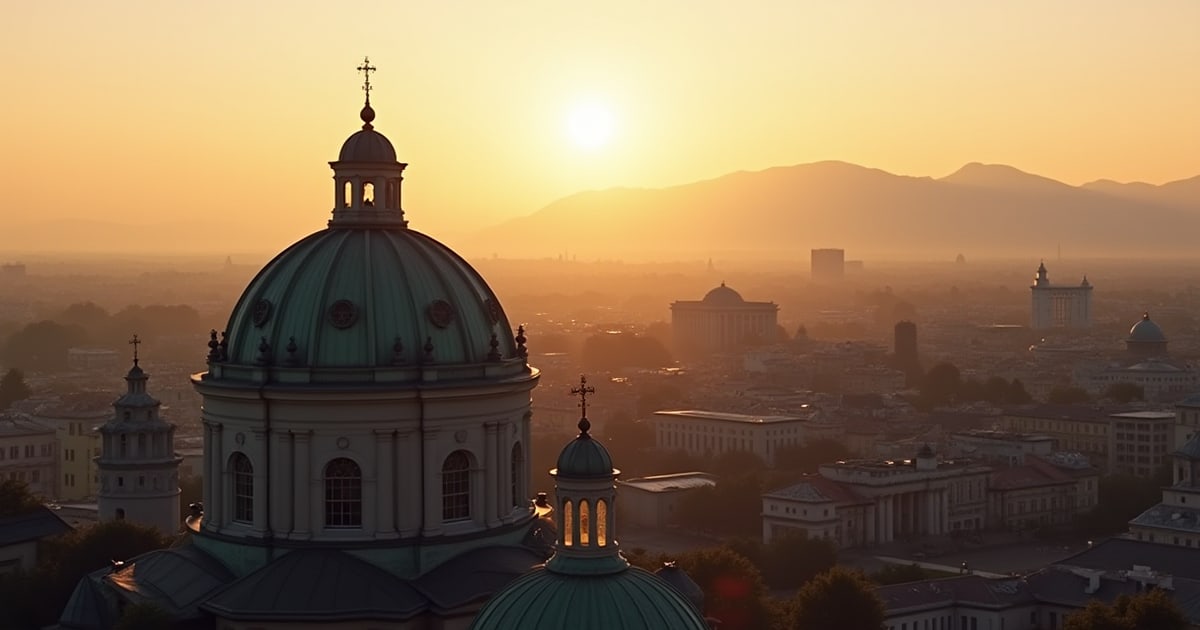
Bulgaria has quietly become one of the most practical places in Europe to start over. It adopted the euro on January 1, 2026, has been a full Schengen member since January 1, 2025, taxes personal income at a flat 10 percent, and still costs a fraction of what Western Europe does. If you are researching a move from the US, the UK, or elsewhere in the EU, this guide walks through the entire process: who can move and how, the paperwork, the money, the healthcare, and what your first 90 days should look like.
This is a long read by design. Skim the section you need now, bookmark the rest, and follow the linked deep-dive guides wherever you want more detail.
Why Bulgaria, and Why Now
For years the honest pitch for Bulgaria was "great value, some friction": a cheap, beautiful, safe-enough country that still made you exchange currency and stand in border queues. The friction is now mostly gone.
- The euro. Since January 1, 2026, Bulgaria is the 21st member of the euro area. Your salary, pension, rent, and grocery bill are all in euros. No exchange rates, no conversion fees, no mental math.
- Full Schengen. Air and sea border checks ended in March 2024; land borders opened on January 1, 2025. Flying from Sofia to Vienna is now like flying domestically, and the once-notorious queues at the Greek and Romanian land crossings are history.
- The 10% flat tax. Bulgaria's personal and corporate income tax rates are both a flat 10 percent — the lowest headline rates in the EU, unchanged for nearly two decades.
- The cost base. Bulgaria remains the cheapest country in the euro area for day-to-day living, even after several years of rapid wage growth.
- The practical extras. Gigabit fiber internet for the price of two coffees, four real seasons, ski resorts and Black Sea beaches in the same country, and Sofia-to-London flights in about three and a half hours.
None of this makes Bulgaria frictionless — the bureaucracy is real and runs in Bulgarian — but the cost-benefit calculation in 2026 is very different from what most older blog posts describe.
Bulgaria in 2026 at a Glance
| Fact | Detail |
|---|---|
| Population | Around 6.4 million |
| Capital | Sofia (around 1.3 million people) |
| Currency | Euro, since January 1, 2026 (the lev was retired at a fixed 1.95583 BGN per euro) |
| EU membership | Since 2007 |
| Schengen | Full member since January 1, 2025 |
| Personal income tax | 10% flat |
| Corporate tax | 10% flat — the lowest headline rate in the EU |
| VAT | 20% standard |
| Minimum wage | €620 per month (2026) |
| Average gross salary | Around €1,300-1,400 nationally; €1,700+ in Sofia |
| Emergency number | 112 |
| Time zone | EET (UTC+2; UTC+3 in summer) |
Who Can Move to Bulgaria — and How
Your path depends entirely on your passport. EU citizens can essentially just show up. Everyone else goes through Bulgaria's long-stay visa system, which is bureaucratic but predictable — and cheaper than most European alternatives.
EU, EEA, and Swiss Citizens
If you hold an EU, EEA, or Swiss passport, you can live in Bulgaria for up to three months with no formalities at all. Staying longer means registering with the Migration Directorate for a long-term residence certificate — usually a quick, same-week formality, provided you can show one of: employment or self-employment in Bulgaria, health insurance plus sufficient funds, or enrollment as a student. After that you can request a Bulgarian ID card (the lichna karta), which makes everyday life — banking, contracts, deliveries — dramatically easier. The full process is covered in our guide for EU citizens moving to Bulgaria.
Non-EU Citizens: The D Visa System
Americans, Britons, Canadians, Australians, and other non-EU nationals follow a two-step process: first obtain a type D long-stay visa from a Bulgarian embassy or consulate abroad, then convert it into a residence permit after arriving in Bulgaria. The D visa is the gateway — you cannot apply for residence on a tourist stamp. Our Bulgaria D visa guide covers the application in detail, and Bulgaria residence permits explained maps every permit type to the people it fits.
The most-used legal grounds:
- Remote work. Bulgaria introduced a dedicated digital nomad residence permit in 2026 for non-EU remote workers, freelancers, and foreign business owners earning around €31,000 per year or more from employers or clients outside Bulgaria. See the Bulgaria digital nomad guide.
- Employment. A Bulgarian employer sponsors a work permit, or an EU Blue Card for qualified specialists.
- Retirement. Pensioners with a stable foreign pension qualify for a pension-based D visa and a renewable residence permit.
- Business. Running a Bulgarian company that meets real-activity conditions, or acting as a representative in a trade representative office of a foreign company — a once-popular route that has been tightened in recent years.
- Freelance. A freelance permit exists but requires Employment Agency approval and more documentation than most first-time movers expect.
- Family. Spouses and minor children of residents can join through family reunification.
- Study. Enrollment at a Bulgarian university.
One route that does not exist: buying property does not by itself grant residence. Bulgaria has no golden visa for real estate. Property ownership can support a multiple-entry visitor visa, nothing more.
Which Route Fits You?
| Your profile | Typical route | Key requirement |
|---|---|---|
| Remote worker or freelancer (non-EU) | Digital nomad permit | Around €31,000 per year of foreign-sourced income |
| Retiree (non-EU) | Pension-based D visa | A stable pension comfortably above Bulgarian minimums — €1,000+ per month is a safe benchmark |
| Entrepreneur | Bulgarian company (EOOD) or trade representative office | Real, documented business activity |
| Employee with a job offer | Work permit or EU Blue Card | Employer sponsorship |
| Spouse or child of a resident | Family reunification | Sponsor holds a valid permit |
| EU/EEA/Swiss citizen | Registration certificate | A job, funds plus insurance, or studies |
The Step-by-Step Timeline
Plan on four to six months from decision to residence card if you are a non-EU citizen, and about a month if you are an EU citizen. Here is the realistic sequence.
Months 6 to 3 Before the Move: Documents
- Criminal record certificate from your home country, apostilled. Most consulates want it issued within the previous six months, so time it carefully.
- Birth and marriage certificates, apostilled, if family members are moving or you will need them for local registrations.
- Proof of income or funds: pension statements, an employment contract, client contracts, bank statements — whatever supports your chosen ground.
- Health insurance valid for Bulgaria with at least €30,000 of coverage, for the visa stage.
- Accommodation evidence: a rental contract, a property deed, or a notarized declaration from a host.
- Translations. Every foreign document must eventually be translated into Bulgarian by a certified translator. Budget roughly €10-20 per page and do it through a Bulgarian agency — translations done abroad are routinely rejected.
A tip that saves weeks: scan everything, keep a single folder with originals, apostilles, and translations, and bring more copies to every appointment than you think you need.
Applying for the D Visa
You apply in person at the Bulgarian embassy or consulate serving your country of residence — book the appointment early, because some consulates (notably in the US and the UK) run weeks out. The fee is around €100, and processing typically takes four to eight weeks. The visa is usually issued for six months and exists for one purpose: to let you enter Bulgaria and complete the next step. Outright rejections are uncommon when the file is complete; incomplete files, however, bounce without much sympathy.
After Arrival: The Residence Permit
With the D visa in your passport, you apply at the Migration Directorate office for your district. Do this early in the visa's validity, not in the last week — you will need the same evidence again (Bulgarian translations included), proof of address, and the state fees, and you will give biometrics for your card. Initial permits typically run one year and renew as long as the underlying ground still holds. Digital nomad applicants should file promptly after arrival; the new rules expect the application within weeks, not months.
The ID Card and Your Personal Number
Your residence card doubles as your Bulgarian photo ID and carries your personal number — an LNCh for temporary residents, an EGN once you reach permanent status. This number is the key that unlocks Bulgarian life: bank accounts, phone contracts, e-government services, doctor registration, even pharmacy discount cards. You will type it from memory within a month.
Money in the Euro Era
The Currency
Bulgaria adopted the euro on January 1, 2026, at the permanently fixed rate of 1.95583 leva per euro, becoming the 21st member of the euro area. Lev cash circulated alongside the euro during January 2026 only; since February 1, 2026, the euro is the sole legal tender, and the mandatory dual price display (lev plus euro on every price tag) ended on August 8, 2026. Leftover lev banknotes are not a problem — the Bulgarian National Bank exchanges them at the fixed rate indefinitely and free of charge.
For movers this is a genuine simplification: no exchange-rate risk against the euro, ordinary SEPA transfers to and from the rest of Europe, and euro salaries and pensions that land without conversion fees. The full story of what changed — and the fine print for travelers and non-EU residents — is in Bulgaria in 2026: euro, Schengen, and what changed.
What Life Actually Costs
Bulgaria remains among the cheapest countries in the euro area, though Sofia has been catching up fast. Approximate 2026 figures:
| Item (Sofia, monthly unless noted) | Cost |
|---|---|
| One-bedroom apartment, central | €600-750 |
| One-bedroom apartment, outside the center | €450-550 |
| Utilities (electricity, heating, water) | €50-150 depending on season |
| Groceries, one person | €250-350 |
| Lunch menu at a casual restaurant | €8-12 |
| Cappuccino | €2-3 |
| Monthly public transport pass | Around €25 |
| Gigabit home internet | €10-20 |
Plovdiv, Varna, Burgas, and smaller towns run roughly 20-40 percent below Sofia, with rent the biggest saving. A single person lives comfortably in Sofia on €1,300-1,600 per month including rent; a couple on €1,900-2,400. Run your own scenario through the cost of living calculator, and see the full city-by-city breakdown in cost of living in Bulgaria.
Taxes in One Paragraph
Bulgaria taxes resident individuals at a flat 10 percent — no brackets, no progressivity. Registered freelancers deduct 25 percent of gross income as deemed expenses before tax, for an effective rate of 7.5 percent. Companies pay 10 percent corporate tax plus 5 percent withholding on dividends, a combined 15 percent to move profit into your pocket (rates as of 2026). Social security and health contributions apply on an income base that is capped — €2,300 per month from August 2026 — which keeps the total burden low for high earners by European standards. You generally become a Bulgarian tax resident after 183 days in the country in a year, or by making Bulgaria your center of vital interests. Details, treaty questions, and US and UK specifics live in the Bulgaria tax guide for foreigners; get a quick estimate with the Bulgaria tax calculator.
Banking
With your ID card, opening an account at a Bulgarian bank (UniCredit Bulbank, DSK, Postbank, UBB) is routine; before the card arrives, some banks will open accounts on a passport plus D visa, with patience. Wise and Revolut work fine in Bulgaria and are the standard bridge while your paperwork settles. Since the euro switch, transfers between Bulgarian and other euro-area accounts are ordinary SEPA payments — fast and effectively free. Step-by-step instructions, document lists, and which banks are friendliest to foreigners: opening a bank account in Bulgaria.
Finding a Home
Rent first. Even if you intend to buy, spend six to twelve months renting in your target city — neighborhoods vary enormously, and the buying process rewards people who know exactly what they want. The rental market moves fast in Sofia and slower everywhere else. Expect a deposit of one to two months, an agency commission of half to one month's rent if an agent is involved, and contracts in Bulgarian — get a bilingual version or a translation before you sign anything. The mechanics, the scams to avoid, and a clause-by-clause walkthrough of a typical contract are in renting an apartment in Bulgaria.
Buying is straightforward for EU citizens, who can purchase both buildings and land. Non-EU citizens can freely buy apartments and buildings but not the land beneath them, which is why non-EU buyers of houses with yards typically hold the land through a Bulgarian company. Transaction costs are modest by European standards, and there is no restriction on renting your property out. We cover the full process in a separate buying guide.
Utilities transfer to your name with the rental contract or deed — electricity, water, and, in Sofia and a few other cities, district heating. Internet is a Bulgarian bragging right: gigabit fiber for €10-20 per month, typically installed within days.
Healthcare
Bulgaria runs a mandatory public insurance system through the National Health Insurance Fund (NHIF). The contribution is 8 percent of insurable income — split between employer and employee for staff, paid in full by the self-employed. Once you contribute, you register with a GP (your "personal doctor") and use the public system on the same terms as Bulgarians.
An honest assessment: public hospitals are underfunded and uneven — excellent physicians, tired infrastructure, and little English at the front desk. That is why most expats combine NHIF coverage with private care, which is remarkably affordable: a specialist consultation typically costs €25-50 out of pocket, and the private hospital networks in Sofia, Plovdiv, and Varna deliver Western-standard service at a fraction of Western prices. Non-EU applicants need a private policy for the visa stage anyway, and EU citizens can bridge the gap with an EHIC card until they register locally. The full picture — NHIF enrollment, private insurers, typical prices, English-speaking doctors — is in healthcare and health insurance in Bulgaria.
Pharmacies deserve a mention: they are everywhere, well stocked, and pharmacists frequently speak enough English to help. Many medications cost far less than their US equivalents.
The Language
Bulgarian is a Slavic language written in Cyrillic — and Bulgaria is where the Cyrillic alphabet was born, a point of genuine national pride. In central Sofia, the tech industry, and the tourist coast you can function in English indefinitely. In state administration, public medicine, and small-town life, you cannot. Two early investments pay off immediately: learn to read Cyrillic (it takes a weekend and turns street signs, menus, and labels back into information), and build a couple hundred words of survival vocabulary. Every official procedure runs in Bulgarian, so budget for certified translations and, for high-stakes appointments, an interpreter or a bilingual friend.
One cultural footnote worth knowing before your first conversation: Bulgarians traditionally shake their head for "yes" and nod for "no." It is less universal than guidebooks claim, but it is real enough to cause comedy in your first month.
Working: Jobs, Business, and Remote Work
Local salaries sit at the modest end of the EU — around €1,300-1,400 gross on average nationally in 2026, with Sofia noticeably higher and senior IT roles higher still. The realistic employment market for foreigners without Bulgarian is concentrated in tech, shared-service centers, outsourcing, and language teaching. The financial sweet spot is earning foreign income while spending locally: remote employees and freelancers keep Western pay against Bulgarian costs and a 10 percent flat tax. If you freelance or run a small business, the classic Bulgarian question is whether to register as a self-employed freelancer or open a single-owner company, an EOOD — the tradeoffs are covered in the tax guide linked above. Non-EU remote workers should start with the digital nomad permit route described earlier.
Moving with Family
Public schools are free, including for the children of foreign residents, and enrollment follows your address registration — but instruction is in Bulgarian, which works well for young children and is genuinely hard for teenagers arriving mid-education. Sofia has a solid range of international schools (British, American, French, and German curricula) with tuition roughly €5,000-15,000 per year depending on the school and grade. Kindergartens are inexpensive by Western standards, and private childcare costs a fraction of what it does in London or New York.
Spouses and minor children of permit holders come through family reunification, typically filed after the principal applicant's permit is issued. Pets move easily within the EU on a pet passport; from outside the EU you will need a microchip, a rabies vaccination, and the standard EU animal health certificate — straightforward, but start the vet paperwork a couple of months ahead.
Where to Live
- Sofia — the capital and the job market, base of the expat and startup scene, with Vitosha mountain rising straight from the southern suburbs. Biggest-city energy, biggest-city prices.
- Plovdiv — Bulgaria's second city and arguably its most charming: a walkable Roman-and-Revival old town, a strong arts scene, and costs well below Sofia.
- Varna — the capital of the coast; a real year-round city with beaches, an airport, and a growing remote-work crowd.
- Burgas — the southern coast's hub: quieter than Varna, tidy and green, and half an hour from the prettiest beach villages.
- Bansko — the ski town that became a digital nomad hub, with coworking spaces and a busy international community under the Pirin mountains.
- Veliko Tarnovo — the medieval capital draped over a river gorge; long beloved by British expats and very affordable.
- The small coastal towns — Sozopol, Nessebar, Balchik, and their neighbors: quiet Black Sea living at bargain prices, gloriously sleepy in winter.
We have a dedicated living guide for each of these — start with the one matching your shortlist, and note that winter and summer can feel like two different countries: visit your target city in the off season before committing.
The Long Game: Permanent Residence and Citizenship
Five years of continuous legal residence — keeping absences within the allowed limits — qualifies you for permanent or long-term residence, an open-ended status that no longer depends on your original ground. EU citizens follow a parallel, simpler five-year track. The application, the continuity rules, and the traps that reset your clock are in the Bulgaria permanent residence guide.
Citizenship by naturalization normally requires five further years as a permanent resident (three if you are married to a Bulgarian citizen), plus Bulgarian language ability and the other statutory conditions — roughly a decade in total for most movers. One serious caveat for Americans, Britons, and other non-EU applicants: standard naturalization requires renouncing your existing citizenship. EU, EEA, and Swiss citizens, spouses of Bulgarians, and people of Bulgarian origin are exempt. Weigh that early — for many readers it changes the goal from "passport" to "permanent residence, and stop there." The details are in the Bulgarian citizenship guide.
Common Mistakes to Avoid
- Arriving on a tourist stamp and improvising. Non-EU citizens cannot switch to residence from visa-free status — the D visa must come first, from a consulate abroad. Plan backward from that.
- Letting documents expire mid-process. Criminal record certificates and bank statements age quickly; sequence your paperwork so nothing is more than a few months old at filing time.
- Translating documents at home. Bulgarian authorities want translations from Bulgarian-certified translators. Doing it abroad usually means paying twice.
- Signing a rental contract you cannot read. Insist on a bilingual contract or an independent translation — not the agent's verbal summary.
- Ignoring the 183-day line. Tax residency arrives whether or not you notice. Talk to an accountant before your first full calendar year, not after it.
- Underestimating winter. Sofia is cold and gray from December to February, and coastal resort towns half-close. See the country in the off season before you commit to a location.
Your First 90 Days: The Checklist
Week 1
- Buy a Bulgarian SIM card (€10-15 per month; bring your passport)
- Register your address — your landlord or host confirms it, and you will need it for everything that follows
- Get a transport card if you are in Sofia or Varna
- Set up Wise or Revolut in euros if you have not already
Weeks 2-4
- File your residence permit application (non-EU) or registration certificate (EU citizens)
- Collect your Bulgarian ID card once issued
- Open a Bulgarian bank account
- Sign your long-term rental contract and move the utilities to your name
Months 2-3
- Register with the NHIF once you are contributing, and choose a GP
- Sort your tax setup: freelance registration or company formation if relevant, and note the 183-day residency line
- Exchange or validate your driver's license — EU licenses are simply recognized; many non-EU licenses must be swapped
- Start Bulgarian lessons; even one hour a week compounds
- Find your people: the expat communities in Sofia, Plovdiv, Varna, and Bansko are active and welcoming — and you can ask anything in our community Q&A
FAQ
Can I move to Bulgaria without a job?
Yes. EU citizens only need health insurance and sufficient funds to register. Non-EU citizens need a legal ground other than employment — the digital nomad permit, a pension, study, family ties, or a business — but none of these requires a Bulgarian employer.
How much money do I need to move to Bulgaria?
Plan €3,000-5,000 for the move itself (visa and permit fees, translations, deposits, first rents, flights) and a monthly budget of €1,300-1,600 for one person in Sofia — less elsewhere. Visa grounds carry their own thresholds: around €31,000 per year of income for the digital nomad permit, and a stable pension comfortably above Bulgarian minimums for retirees.
Is Bulgaria in the EU, the euro, and Schengen?
All three. EU since 2007, full Schengen member since January 1, 2025, and euro country since January 1, 2026. Flights and land crossings to the rest of the Schengen area involve no passport control, and there is no currency exchange left to think about.
Do I need to speak Bulgarian?
Not to survive in Sofia or on the coast — English is common among younger Bulgarians and across the service economy. You do need it, or a translator, for official procedures, and life outside the big cities runs almost entirely in Bulgarian. Learning the Cyrillic alphabet in your first week is the single highest-leverage move.
Can foreigners buy property in Bulgaria?
Yes. EU citizens can buy anything, including land. Non-EU citizens can freely buy apartments and buildings but need a Bulgarian company to hold land. Remember that buying property does not grant residence rights.
How long until permanent residence? Until citizenship?
Permanent residence after five years of continuous legal residence. Citizenship usually requires five more years as a permanent resident — roughly a decade in total — and standard naturalization requires renouncing your current citizenship unless you are an EU/EEA/Swiss national, married to a Bulgarian, or of Bulgarian origin.
Is Bulgarian healthcare good enough?
For routine and planned care, yes — especially once you use the affordable private sector, where a specialist visit costs €25-50. For complex emergencies the picture is uneven, and rural response times can be slow. Most expats carry NHIF coverage plus a private policy and are well served.
Can I keep my remote job with a US or UK employer?
Yes — it is the most common setup among working-age movers. Non-EU citizens use the digital nomad permit; EU citizens just register. Once you become a Bulgarian tax resident, your worldwide income is taxable in Bulgaria at the flat 10 percent, with double-tax treaties preventing most overlaps. Read the tax guide before your first full year.
Sources
- European Commission — Bulgaria and the euro
- Council of the EU — Bulgaria ready to use the euro from 1 January 2026
- European Commission — Bulgaria and Romania join the Schengen area
- Ministry of Foreign Affairs of Bulgaria — Visas for Bulgaria
- PwC Tax Summaries — Bulgaria
- Fragomen — Bulgaria: digital nomad residence permit introduced
Got a question this guide didn't answer? Ask the community — we reply to every question.