EU Citizens Moving to Bulgaria: Registration, Certificate, and Rights (2026)
Updated August 14, 2026 · 6 min read
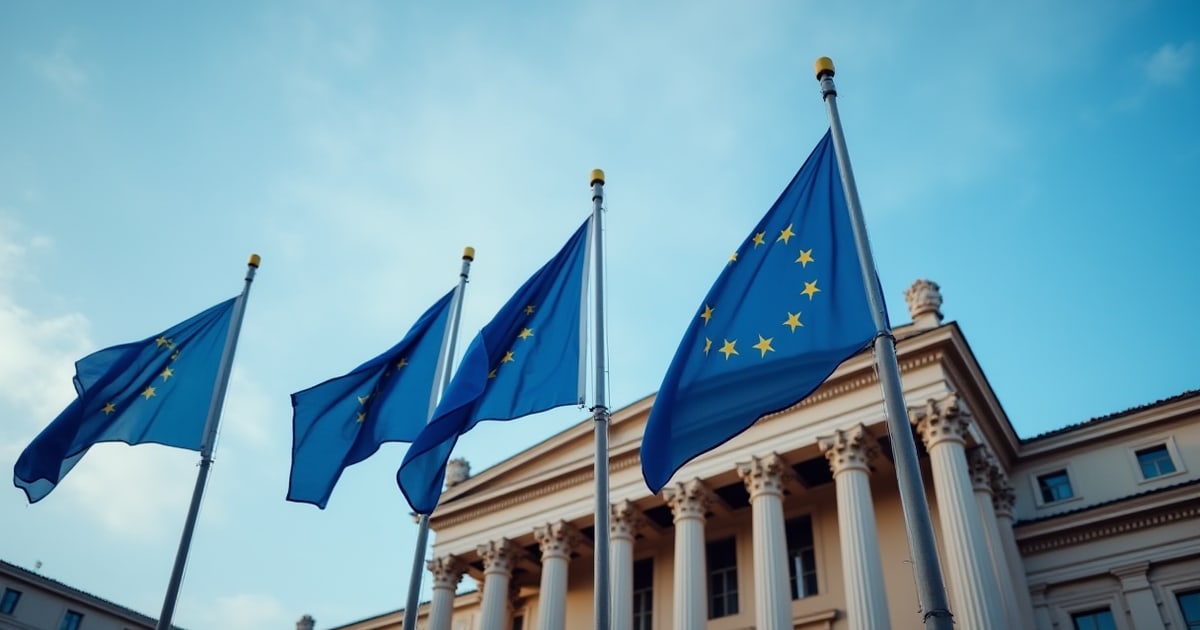
If you hold an EU, EEA, or Swiss passport, moving to Bulgaria is administratively trivial: no visa, no sponsorship, no quotas, and a registration that is routinely completed the same day. This guide walks through the 3-month rule, the registration certificate, the documents for each situation, and what to do about non-EU family members.
For the full menu of routes (including for your non-EU spouse), see Bulgaria residence permits explained.
The 3-month rule
As an EU citizen you may live in Bulgaria for up to 3 months with nothing but a valid ID card or passport. If you intend to stay longer, you must register at the Migration Directorate (Ministry of Interior) office for your address and obtain a certificate of continuous residence (udostoverenie za prodalzhitelno prebivavane).
Practical advice: do not wait out the 3 months. Register in your first weeks, because the registration triggers your LNCh — the personal number for foreigners — and almost nothing in Bulgarian life works without it: banks, the tax agency, employment contracts, utilities, even some phone plans. How the number works: Bulgarian ID card and LNCh guide.
What you need to show
The legal grounds mirror the EU Free Movement Directive. You register as one of:
- Worker — a Bulgarian employment contract (or employer declaration)
- Self-employed — company registration or BULSTAT registration as a freelancer
- Student — enrollment certificate plus health insurance and a declaration of sufficient funds
- Economically self-sufficient — health insurance valid in Bulgaria plus evidence of sufficient resources (bank statements, pension, remote income)
Document checklist
- Valid EU ID card or passport
- Completed application form (available at the office)
- Ground evidence per the list above
- Proof of address — lease, title deed, or a notarized declaration from your host
- Fee: about €7 for the paper certificate; a plastic card version costs about €18 (about €36 expedited)
No apostilles, no criminal record checks, no interviews. Documents in other languages may need certified Bulgarian translation, so a Bulgarian-language lease or employer letter saves a step.
The process, step by step
- Settle your address — sign a lease (see renting long-term) or arrange a host declaration.
- Go to the Migration Directorate office for your district (in Sofia: Maria Luiza Blvd; every regional city has one). Mornings are quieter.
- Submit the form and documents, pay the fee.
- Receive the certificate — typically the same day, occasionally within a few days if the office verifies documents. Your LNCh is printed on it.
- Optional: order the card-format document for wallet convenience.
The certificate is issued for up to 5 years. It does not expire your rights — EU free-movement rights exist by treaty — but Bulgarian bureaucracy runs on documents, so keep it current and update it when you move.
After registration: the landing checklist
- Open a bank account — with the LNCh it is a same-week task
- Sort healthcare: EU coordination rules apply (S1 for pensioners, EHIC transitional cover, or NHIF contributions once employed/self-insured) — details in health insurance and healthcare
- Understand when you become a Bulgarian tax resident (183 days or center of vital interests) — Bulgaria tax guide for foreigners
- Exchange your driving license if you wish (EU licenses remain valid) — driving in Bulgaria
- Budget realistically — provincial Bulgaria remains one of the cheapest corners of the EU, Sofia noticeably less so
Non-EU family members
Your non-EU spouse, minor children, and dependent relatives derive rights from your EU citizenship — a far better regime than standard immigration:
- They enter Bulgaria (with a short-stay visa if their nationality requires one — no D visa needed).
- Within 3 months, they apply at the Migration Directorate for a residence card of a family member of an EU citizen, presenting passports, apostilled and translated marriage/birth certificates, and proof of your registration and address.
- The card is issued for up to 5 years, gives full labor market access, and leads to permanent residence after 5 years.
Interviews to verify a genuine marriage are possible but lighter-touch than in the national regime. Same-sex spouses: EU free-movement case law (Coman) obliges recognition for residence purposes, but Bulgarian practice has historically required persistence and sometimes litigation — take legal advice.
After 5 years: permanent residence
After 5 years of continuous legal residence (absences under 6 consecutive months per year are tolerated), you can apply for permanent residence and receive a 10-year card. It removes any need to evidence a ground and is the stepping stone if you ever want Bulgarian citizenship — though note Bulgaria lets EU citizens naturalize without renouncing their original passport. The mechanics are in the permanent residence guide.
British citizens: a note
UK nationals who were legally resident in Bulgaria before January 1, 2021 keep their rights under the Withdrawal Agreement and hold Art. 50 residence documents. Brits moving now are third-country nationals: they need a D visa and a qualifying ground like everyone else.
Address registration in practice
The address is the load-bearing wall of your Bulgarian paperwork. Three situations:
- You rent: sign a written lease with the owner named in the property's title. Offices accept ordinary leases, but a landlord who refuses to appear in your registration is a red flag — find another apartment.
- You stay with someone: the host signs a declaration (the notarized form is the safe standard) confirming you live there.
- You own: the notary deed is your proof — the cleanest case.
When you later move, update the address with the Migration Directorate; it takes minutes and keeps renewals, bank correspondence, and any future permanent-residence file consistent. Municipalities separately run the civil address register (the nastoyasht adres, or present address) — registering there too smooths dealings with schools, GPs, and local services.
Jobseekers and students
You can spend your first 3 months job hunting with no formalities at all, and EU law protects longer genuine job searches. Practically, though, Bulgarian HR departments want an LNCh before they can put you on payroll — so registering early (as self-sufficient, updating to worker once hired) beats waiting. Students register with their enrollment certificate, insurance, and a signed declaration of resources; university international offices walk exchange and full-degree students through the process in bulk at semester start.
FAQ
Is registration actually mandatory?
Yes, beyond 3 months — and it is enforceable with small fines — but the real incentive is practical: without the LNCh you are locked out of banks, contracts, and the tax system.
Can I register with an Airbnb or hotel address?
Not reliably. Offices want a lease, deed, or host declaration showing a genuine address. Sort a rental first.
Do I need to show income as a jobseeker or remote worker?
Registering as economically self-sufficient requires health insurance plus resources; a modest but regular income stream and a normal bank balance are accepted in practice. Thresholds are low — comparable to Bulgarian minimum income levels (the minimum wage is €620/month in 2026).
Does my Bulgarian registration affect taxes at home?
Registration alone does not move your tax residence, but 183+ days in Bulgaria generally does. Plan the tax side deliberately before month six, not after year one.
We are an EU/non-EU couple. Who applies first?
You register first (same day), then your spouse files for the family member residence card. Their status piggybacks on yours, so keep your registration and address documents tidy.
Sources
- Your Europe — Registering your residence abroad (Bulgaria)
- Point of Single Contact — EU citizens in Bulgaria
- Bulgarian Ministry of Interior — Migration Directorate
- EUR-Lex — Directive 2004/38/EC on free movement
Immigration rules change — always confirm current requirements with the Bulgarian Migration Directorate or an immigration lawyer before applying.
Got a question this guide didn't answer? Ask the community — we reply to every question.