Driving in Bulgaria: Licenses, Buying or Importing a Car, and Road Reality
Updated August 14, 2026 · 7 min read
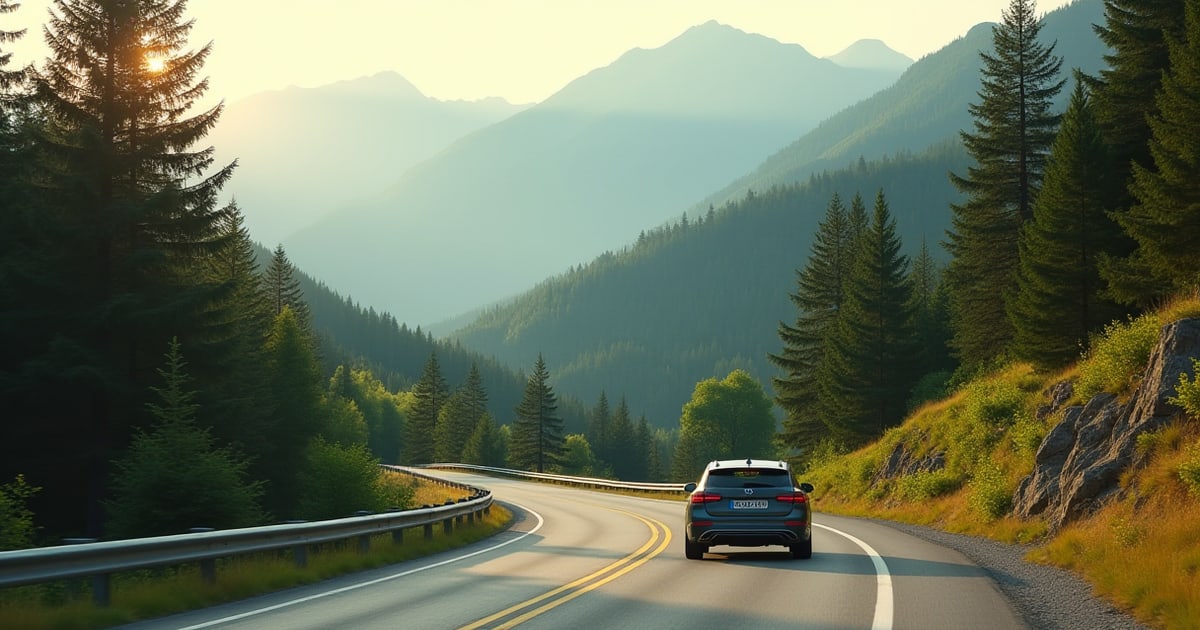
Outside Sofia's metro-served center, Bulgaria is a car country. Public transport between cities is adequate, but village life, the coast, and the mountains all assume you drive. This guide covers whether your license works here, how to exchange it, whether to buy locally or import, what running a car costs in 2026, and — honestly — what Bulgarian roads are like.
Is your license valid in Bulgaria?
EU, EEA, and Swiss licenses
Valid licenses issued by EU/EEA states and Switzerland are recognized in Bulgaria indefinitely. You never have to exchange one, even as a long-term resident — though you may voluntarily swap it for a Bulgarian license when it expires or if you prefer local renewals. This is one of the many conveniences of moving as an EU citizen.
UK licenses
The UK is a party to the Vienna Convention on Road Traffic, and UK licenses can be exchanged for Bulgarian ones without taking an exam once you are resident. As a visitor you can drive on a UK license freely. As a resident, exchange within your first year — after 12 months of residence, a non-EU license is no longer valid for driving in Bulgaria.
US, Canadian, and other non-EU licenses
Here is the honest picture, because online sources contradict each other:
- As a visitor, your national license plus an International Driving Permit (or a legalized Bulgarian translation) lets you drive.
- As a resident, you may drive on your foreign license for up to one year from taking up residence.
- After that, licenses from Vienna Convention countries can be exchanged without exams. The United States is not a party to the Vienna Convention, and there is no US-Bulgaria bilateral exchange agreement — most Americans ultimately take the full Bulgarian exam (theory plus practical). Some regional Traffic Police (KAT) offices have accepted US license exchanges anyway, so it is worth asking at your local office first, but do not plan around it.
- The Bulgarian theory exam can be sat in English at extra cost, and driving schools in Sofia, Plovdiv, and Varna offer instruction in English. Budget €400-700 and a few weeks for the course-plus-exam route.
Exchanging a license: the process
- Gather documents: passport, residence card with LNCh (see the residence permits guide), your foreign license plus certified Bulgarian translation, and a medical certificate (a quick eye-and-general check from an authorized clinic, around €10-20).
- Go to the Traffic Police (KAT / Пътна полиция) office for your address.
- Complete the application, pay the fee (about €13; express service costs more).
- Your foreign license is retained and sent back to the issuing country; the Bulgarian one arrives in a few weeks (temporary permit issued meanwhile).
Buying a car locally vs. importing
Buying in Bulgaria
The used market lives on mobile.bg and cars.bg (both Bulgarian-language — bring a Bulgarian-speaking friend or translation app). Prices for used cars are no longer the bargain they once were; a decent 8-10-year-old hatchback runs €4,000-8,000. Watch for clocked odometers and cosmetically hidden accident damage — pre-purchase inspections at independent garages (€30-60) are money well spent. Buying from a dealer adds a margin but simplifies paperwork.
The purchase itself is a notarized transfer contract; the notary verifies the seller owns the car and checks for liens. You then have one month to register the change at KAT.
Importing
Right-hand-drive UK cars can be registered in Bulgaria, but resale value is poor. Importing from Germany or elsewhere in the EU is a national sport — no customs duty within the EU, and the paperwork is: purchase contract, foreign registration documents, transit plates for the drive down, then Bulgarian registration. From outside the EU (US imports), add customs duty (10% for cars) plus 20% VAT on the value — rarely worthwhile for ordinary vehicles.
Registration costs (either way)
| Item | Typical cost |
|---|---|
| KAT registration + plates | €25-60 |
| Eco (product) fee, first registration of a used import | €75-140 depending on age |
| Technical inspection (annual for cars over 10 years, otherwise less frequent) | €25-40 |
| Annual municipal vehicle tax | €30-150+ by engine power, age, and eco category |
The vehicle tax is paid to your municipality — the same office that handles property taxes.
Vignettes and tolls
Cars use an e-vignette (electronic road charge) for the national road network — buy it online at bgtoll.bg, via apps, or at petrol stations. No sticker; cameras check your plate. Prices rose 30% on August 1, 2026:
| Vignette | Price (from Aug 2026) |
|---|---|
| Weekend | €6.60 |
| One day (introduced Feb 2026) | €5.30 |
| One week | €10.00 |
| One month | €19.90 |
| Three months | €35.90 |
| One year | €64.50 |
Driving without a valid vignette means a compensation fee of about €35 if paid on the spot online, or a much larger fine if contested. City streets do not require a vignette, but almost any intercity trip does.
Insurance
- Grazhdanska otgovornost (GO) — mandatory third-party liability. Costs €100-400 per year depending on your age, city of registration, engine size, and claims history; premiums rose roughly 8-10% going into 2026, and young drivers in Sofia pay the most. It covers damage you cause to others, never your own car. A Green Card for driving across borders is included.
- Casco — optional comprehensive cover for your own vehicle: theft, collision, vandalism, weather. Typically 3-6% of the car's insured value annually — €300-800 for an ordinary car. Worth it for newer cars, especially with hail and Sofia street parking in the picture.
Buy either online (Boleron and brokers issue policies in minutes) or from any insurer's office. Police checks verify GO electronically by plate.
Road culture, honestly
Bulgaria consistently ranks among the EU's worst countries for road deaths per capita, and you will see why quickly:
- Aggressive overtaking on two-lane roads is the national driving vice. Expect to be overtaken on curves and to see oncoming cars in your lane. Leave space, let them pass, arrive alive.
- Speed enforcement is tightening — average-speed checks now run on toll-camera sections, and fines arrive electronically. Limits: 50 km/h in towns, 90 outside, 140 on motorways.
- Road surface quality varies from excellent new motorways (Trakia, Struma, Hemus sections) to potholed secondary roads. Mountain roads are beautiful and demand respect, especially in winter.
- Winter rules: winter tires (or minimum 4 mm tread) are mandatory November 15 - March 1; headlights must be on during the day from November through March, and most drivers keep them on year-round.
- Alcohol limit is 0.5 promille, with criminal liability from 1.2 — and enforcement checkpoints are common. The safe assumption in Bulgaria is zero.
- Parking in Sofia is a paid-zone system (green/blue zones by SMS or app) and a contact sport everywhere else. Factor garage or secured parking into rental decisions if you care about your car.
None of this should scare you off — millions drive here daily without incident, roads between major cities have improved dramatically, and safety overall is better than the stereotype. But drive defensively, especially your first months.
FAQ
Can I keep driving on my EU license forever?
Yes. EU licenses need never be exchanged. Renew in your home country or swap to a Bulgarian license at renewal time — whichever is more convenient.
I am American and my one-year window expired. Now what?
Legally you cannot drive on your US license anymore. Enroll with a driving school for the exam route (English-language theory available), and ask your regional KAT whether they will accept an exchange — practice varies, but plan for the exam.
Do I need a car in Sofia?
Honestly, no — the metro, trams, buses, and cheap taxis cover the city well, and parking is miserable. See the Sofia living guide. Outside the big cities, a car changes everything.
How do fuel prices compare?
Petrol and diesel hover around €1.20-1.40 per liter in 2026 — among the cheapest in the EU, in line with Bulgaria's overall cost of living.
Sources
Got a question this guide didn't answer? Ask the community — we reply to every question.