Living in Sofia: An Honest Expat Guide to Bulgaria's Capital
Updated August 14, 2026 · 7 min read
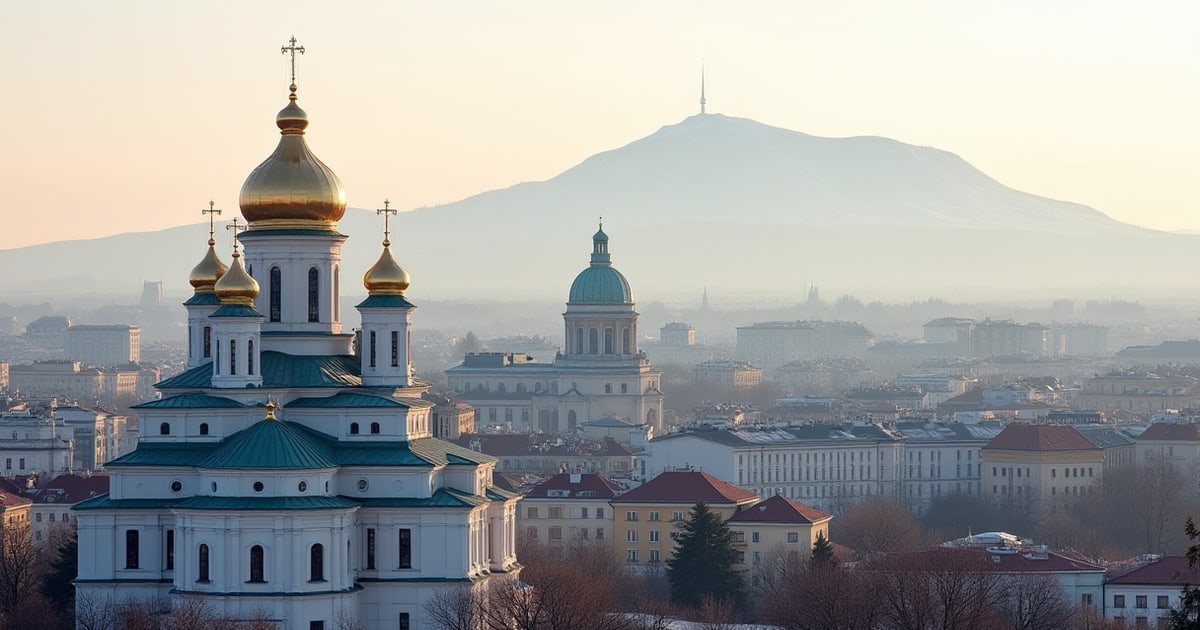
Sofia is where most foreign moves to Bulgaria start, and for good reason: it has the jobs, the flights, the international schools, the best hospitals in the country, and a 2,290-meter mountain hanging over the southern boulevards. Around 1.3 million people live in the metro area, which makes it the only genuinely big city in Bulgaria — and the only one where you can build a career on-site rather than bringing a remote income with you.
It is also a city with real flaws that glossy relocation blogs skip: winter air pollution, grinding traffic, and a post-euro cost curve that is climbing faster than anywhere else in the country. Since January 2026 Bulgaria uses the euro and sits fully inside Schengen, which has made Sofia noticeably more connected — and noticeably less of a bargain. Here is the honest picture. If you are still weighing the country itself, start with our complete guide to moving to Bulgaria.
Who Lives Here
Sofia's expat population is the largest and most varied in Bulgaria. The biggest block is tech and corporate: engineers and product people at multinational R&D offices, finance and shared-services staff, and a long tail of BPO employees who came for an English-speaking job and stayed. Add diplomats and NGO staff, a fast-growing remote-worker crowd, international students, and a large community of returning Bulgarians bringing London and Amsterdam habits (and salaries) home with them.
The practical effect: you can live in Sofia for years in English, there is always a meetup happening, and services aimed at foreigners — relocation agents, English-speaking accountants, international clinics — actually exist here, which is not true in most of the country.
The Neighborhoods That Matter
Lozenets
The default answer to "where should I live?" for professionals. Leafy streets south of the center, good restaurants, embassies, walkable to downtown and to South Park. Rents are the highest in the city and parking is a blood sport, but resale and rental liquidity are excellent. Old-building charm on the lower streets, new builds higher up.
Ivan Vazov and the South Park belt
Quieter and slightly cheaper than Lozenets, with the enormous South Park as your daily green space. Popular with young families and runners. Mostly solid 1960s-80s blocks with renovated interiors; close to the NDK culture palace and two metro stations.
Oborishte and Doctor's Garden
The classic center: pre-war buildings, chestnut streets, the Doctor's Garden park behind the university library. This is the most "European capital" slice of Sofia — and apartments here are drafty, characterful, and expensive to heat. Best for people who want to walk everywhere and care about architecture.
Mladost
A huge socialist-era district turned value play: panel blocks and glassy new builds, four metro stops, and a short hop to Business Park Sofia, the city's biggest office cluster. Not romantic, but practical — many IT workers live here deliberately to dodge the commute. Rents run 20-30% below Lozenets.
Manastirski Livadi
The construction-boom district: block after block of new residential buildings with garages, gyms, and modern insulation. You get the newest housing stock per euro in the city; the trade-off is patchy sidewalks, unfinished streets, and some of Sofia's worst car-dependence.
Boyana and Dragalevtsi
Villa districts on the Vitosha foothills — houses with yards, cleaner air, mountain trailheads at the end of the street. This is where families with cars and dogs end up, often near the international schools. Without a car, life here is genuinely hard.
Cost Snapshot (late 2026)
| Item | Price (monthly) |
|---|---|
| 1-bed apartment, city center | €600–750 |
| 1-bed apartment, outside center | €450–550 |
| Family 3-bed, good district | €950–1,400 |
| Utilities, 85 m2 apartment | €120–160 |
| Public transport pass | ~€26 |
| Couple, total comfortable budget | €2,000–2,400 |
Numbeo's August 2026 averages put a central one-bed at about €676 and a single person's non-rent spending at roughly €875 a month. Salaried locals live on far less; foreigners who eat out and travel rarely do. Run your own numbers in our cost of living calculator and see the national picture in the Bulgaria cost of living guide.
Work and Internet
Sofia is the only Bulgarian city with a deep on-site job market for English speakers. The anchors are software (SAP, engineering offices of several US and EU firms, home-grown players like Payhawk), fintech and payments, and a very large BPO/shared-services sector where hiring in English, German, or Dutch is constant. Senior developers commonly clear €3,000-4,000 net a month — modest by Munich standards, enormous against local costs.
Freelancers and company owners come for the tax setup: a flat 10% on most income, with real optimization available whether you register as a freelancer or through an EOOD company — see the Bulgaria tax guide for foreigners for how it works.
Internet is a genuine national strength: gigabit fiber for €10-15 a month, installed in days, and cheap mobile data everywhere. Details in our internet and mobile plans guide.
Getting Around
The metro is the city's best feature: four lines, trains every few minutes, a station at the airport, and a monthly pass around €26. Trams and buses fill the gaps, and single rides cost well under a euro. Central parking runs on paid blue and green zones, and traffic at rush hour is among the worst in the EU per capita — locals plan their lives around not crossing the city at 6 p.m.
You do not need a car for central life. You do need one for the foothill districts, weekend trips, and IKEA runs; if you bring or buy one, budget for registration, vignettes, and winter tires.
Healthcare and Schools
Sofia has the country's best medicine, full stop. Private hospitals like Acibadem City Clinic (the former Tokuda) and Sofiamed offer short waits and English-speaking specialists; Pirogov is the national emergency hospital. A private specialist visit costs €30-50, and comprehensive private insurance is cheap by Western standards — see health insurance and healthcare in Bulgaria.
For children, Sofia is the only city with real choice: the Anglo-American School (IB, fees north of €20,000 a year), the British School of Sofia, a German school, and the French lycee, plus dozens of cheaper bilingual private schools. Bulgarian public schools are free and solid academically, but instruction is in Bulgarian.
Social Life and the Expat Scene
Whatever your niche — bouldering, board games, Ethereum, salsa — Sofia has a group for it. InterNations and half a dozen large Facebook and Meetup communities run constant events; the specialty-coffee and craft-beer scenes are excellent; opera and concert tickets cost less than a pizza. The rhythm that sells people on the city: finish work, be on a Vitosha trail by 6:30 p.m., dinner in Lozenets by nine. Skiing on the city's own mountain in winter, with Borovets 70 minutes away.
The Honest Downsides
Winter air quality is a real problem. On cold, still December-February days, temperature inversions trap smoke from solid-fuel heating in outlying districts plus old-diesel exhaust, and PM2.5 readings spike to genuinely unhealthy levels. It is episodic, not constant, and central districts on district heating are better — but if you have asthma or small children, budget for an air purifier and check IQAir before you pick a neighborhood.
Traffic and parking get worse every year; the metro is the workaround. The aesthetic outside the center is grey panel sprawl and cranes — Sofia is not Prague. Bureaucracy still means queues and paper, though the process is survivable with preparation — see residence permits explained. And prices are rising: the euro changeover plus wage growth means Sofia in 2026 costs 25-40% more than the blog posts from 2021 promised. It is still cheap for a capital; it is no longer absurdly cheap.
Verdict: Who Should (and Shouldn't) Pick Sofia
Pick Sofia if you need a real job market, direct flights, international schools, top hospitals — or you simply want big-city life with a mountain attached. It is the only Bulgarian city that competes as a full-service European capital, at half the price of Vienna.
Skip Sofia if your income is remote and modest (Plovdiv gives you 80% of the lifestyle for 70% of the cost — see the Plovdiv guide), if you want the sea (Varna exists for you), or if clean winter air is non-negotiable. And if you crave small-town charm, look at Veliko Tarnovo instead.
FAQ
How much do I need to live comfortably in Sofia?
A single professional renting a decent one-bed lives well on €1,400-1,700 a month; a couple on €2,000-2,400. You can survive on much less in outer districts, and spend Berlin money in Lozenets if you try.
Is the air pollution really that bad?
For roughly 8-9 months a year, air quality is fine. The problem is winter inversion episodes — some weeks in December-February are genuinely bad. Central, district-heated neighborhoods and higher floors suffer least; foothill districts above the inversion layer often escape it entirely.
Can I get by without Bulgarian?
In central Sofia, yes — young people, restaurants, and IT workplaces run in English. Government offices, tradespeople, and older landlords mostly do not, so budget for a translator on admin days.
Is Sofia safe?
By Western capital standards, yes — violent crime against strangers is rare and most central districts feel safe at night. Petty theft and aggressive driving are the realistic risks.
Sources
Got a question this guide didn't answer? Ask the community — we reply to every question.