Is Bulgaria Safe? An Honest Guide for Expats and Travelers
Updated August 14, 2026 · 7 min read
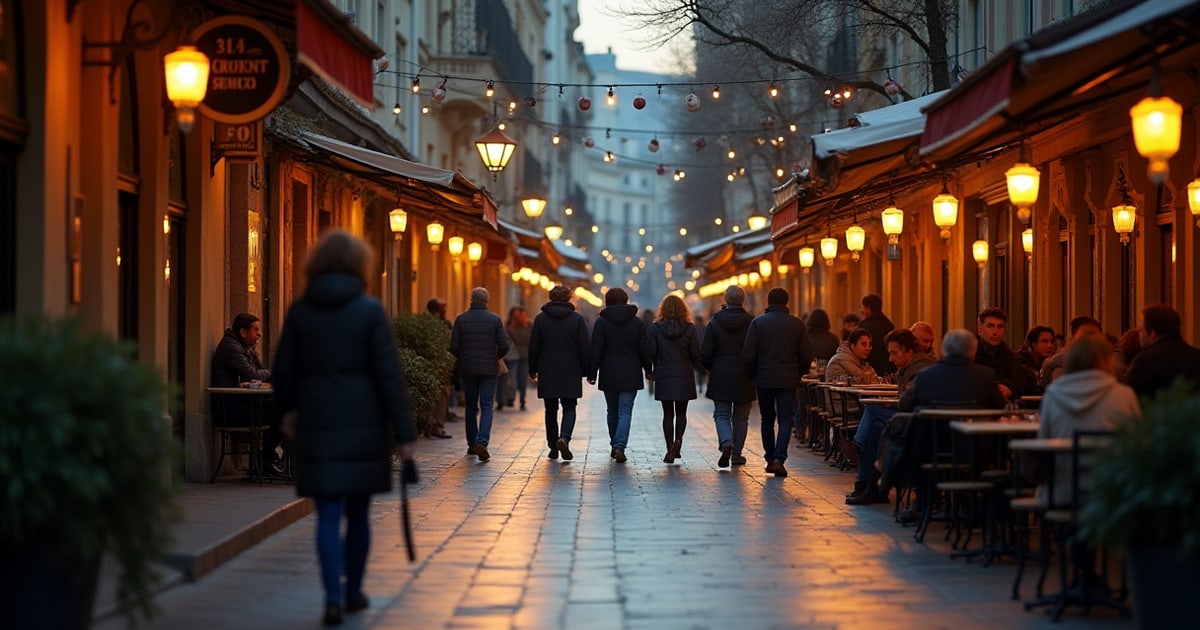
Safety is usually the second question people ask about Bulgaria, right after cost. The short answer: for everyday life, Bulgaria is a safe European country — violent crime is rare, terrorism risk is low, and walking through central Sofia at midnight feels calmer than most Western capitals. The honest answer has two big asterisks: the roads, which are statistically among the most dangerous in the EU, and a familiar menu of tourist-zone scams. This guide covers both the reassuring numbers and the genuine risks, so you can plan around them. If you are researching a move, pair it with the complete guide to moving to Bulgaria.
Violent Crime: What the Numbers Say
Bulgaria's homicide rate has been around 1.1 per 100,000 people in recent years (World Bank data, as of 2022) — a fraction of the US rate, broadly in line with its EU neighbors, and dramatically down from the chaotic 1990s that still shape the country's reputation abroad. The mafia-shootout era ended two decades ago. The 2025 Global Peace Index places Bulgaria solidly among Europe's more peaceful countries, and gun crime is rare — firearm ownership is low and tightly licensed.
There is a paradox worth understanding: in EU quality-of-life surveys, Bulgarians report some of the highest perceived levels of crime, violence, and vandalism in their neighborhoods in the whole EU — roughly double the EU average share. Perception and recorded violent crime point in opposite directions. The explanation is mundane: visible petty disorder, vandalism, and low institutional trust, concentrated in specific urban districts — not street violence. Expats consistently describe feeling safer in Sofia than in comparable Western cities, and the statistics back them up.
Property crime is the realer issue: apartment burglaries happen, and village houses left empty by absentee owners are the classic target. If you are buying a rural or holiday property, factor in an alarm, good locks, and a neighbor who keeps an eye out — more in buying property in Bulgaria.
Petty Crime and Scams
The everyday risks are the ones that cost you €50 and your mood, not your safety:
- Pickpocketing on busy Sofia trams and buses and in crowded pedestrian zones, and in Sunny Beach at the height of summer. Standard big-city rules apply.
- Taxi overcharging. The classic: lookalike cabs with inflated tariffs parked outside stations and airports. Use a ride-hailing or taxi app, or an official rank, and check that the meter is running.
- Nightlife bills in the big seaside resorts — menus without prices, "special" drinks, aggressive door staff. Ask prices first; pay as you go.
- ATM skimming has declined but not vanished; prefer machines attached to bank branches.
- Rental scams aimed at newcomers: never wire a deposit for an apartment you have not seen, and insist on a written contract. Our guide to renting an apartment in Bulgaria covers the red flags in detail.
Corruption deserves an honest sentence: it exists at levels above everyday life — you will read about it in procurement and politics — but the days of traffic police hinting at roadside "fines" are largely over, and as a foreign resident you are unlikely to be asked for a bribe in normal life.
The Roads: Bulgaria's One Genuinely Elevated Risk
Here is the statistic that matters more than any crime number: in 2025 Bulgaria recorded 71 road deaths per million inhabitants — the highest rate in the EU that year, against an EU average of around 44 and Swedish and Danish rates in the low 20s. The causes are structural: aggressive overtaking culture, high speeds, an aging car fleet, and secondary roads that mix trucks, tractors, and pedestrians.
The trend is genuinely improving — deaths are down by more than a third since 2015, and the European Commission lists Bulgaria among the few member states on track to halve road deaths by 2030 — but "improving" is not "safe." Practical rules that materially cut your risk:
- Drive defensively and assume the car behind you will overtake on a blind curve, because sometimes it will.
- Avoid night driving on intercity roads; unlit vehicles, animals, and fatigue are a bad mix.
- Respect winter: mountain passes ice over, and winter tires are required in winter conditions.
- As a pedestrian, never assume a car will stop at a crosswalk. Make eye contact first.
Licenses, vignettes, insurance, and what to do after an accident are covered in driving in Bulgaria.
Earthquakes and Natural Hazards
Bulgaria sits in a seismically active region. The strongest earthquakes of the past century were the 1928 Chirpan-Plovdiv quakes (around magnitude 7), and a magnitude 5.6 quake near Pernik shook Sofia in 2012 with limited damage. Deep earthquakes from Romania's Vrancea zone are occasionally felt in northern cities like Ruse and Varna. Modern Bulgarian construction follows European seismic codes; the practical takeaway is to ask about a building's age and construction type when renting or buying, especially in older stock — a question worth asking anyway, as our Sofia living guide explains neighborhood by neighborhood.
Beyond earthquakes: summer wildfires and localized flooding occur most years, occasionally seriously, but rarely affect urban areas. Standard awareness suffices.
Emergencies: 112 and Healthcare
The EU-wide emergency number 112 works everywhere, and English-speaking operators are generally available. Ambulance response is decent in the big cities and slower in rural areas — one reason many expats keep the address of the nearest private emergency department in Sofia, Plovdiv, or Varna in their phone and would drive themselves for anything non-critical. Public emergency care will treat you regardless of paperwork, but insurance determines everything that happens afterward, so sort your coverage early — the options are laid out in healthcare and health insurance in Bulgaria.
Tap water is safe to drink across most of the country — Sofia's supply comes from mountain reservoirs and is genuinely good. In a few coastal and rural spots locals prefer bottled; follow their lead.
Women, Solo Travelers, and LGBTQ+ Safety
Women and solo travelers generally report feeling safe in Bulgarian cities, including at night in central areas; street harassment is comparatively low-key by Southern European standards, and the usual urban precautions apply. For LGBTQ+ residents the legal and social picture is mixed and worth stating plainly: same-sex relationships are legal and anti-discrimination rules exist on paper, but there is no legal recognition of same-sex partnerships, public attitudes lean conservative, and Sofia Pride marches each year under a visible police presence. Sofia has a modest but real queer scene; smaller towns are discreet.
Where to Be Careful
- Sofia: the center is fine day and night on main streets. The area around the Central Railway Station and Lions Bridge is scruffy after dark — watch your bag, as you would at any European station.
- Sunny Beach in July-August: the drunk-tourism capital of the Black Sea. Daytime is family territory; at 3 a.m. the risks are alcohol-related, not Bulgaria-related. Quieter coastal bases are covered in living on the Bulgarian coast.
- Anywhere you park: don't leave valuables visible in cars, especially with foreign plates.
FAQ
Is Bulgaria safe for Americans?
Yes. Violent crime against foreigners is rare, guns are scarce, and anti-American sentiment is not a feature of daily life. The genuine adjustment for Americans is the driving culture, not crime. The usual travel-smart habits cover the rest.
Is Bulgaria safe at night?
In city centers, generally yes — central Sofia, Plovdiv, and Varna stay lively and well-lit into the night. Use normal judgment around stations and in unlit peripheral districts, and use an app-booked taxi late at night rather than flagging cars.
How dangerous is driving in Bulgaria really?
It is the country's one statistically elevated risk: the EU's highest road fatality rate in 2025 at 71 deaths per million people, roughly one and a half times the EU average. Defensive driving, no night intercity runs, and winter respect bring your personal risk down substantially.
Should I worry about earthquakes?
Be aware, not anxious. Bulgaria is a seismic country that has not had a major destructive quake since 1928, and modern buildings meet European seismic standards. Asking about construction quality before you rent or buy is prudent everywhere in the region.
Sources
Got a question this guide didn't answer? Ask the community — we reply to every question.