Sozopol, Bulgaria: The Old Town Everyone Photographs, the Off-Season Nobody Talks About (2026)
Updated August 15, 2026 · 8 min read
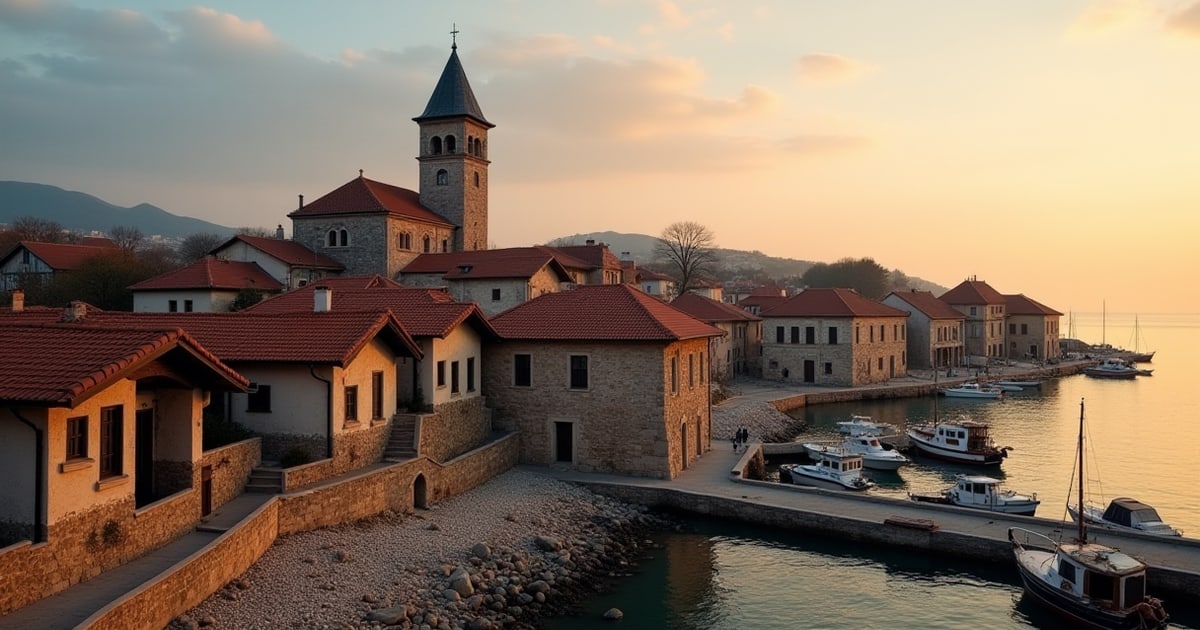
Sozopol is for people who want a genuinely old, beautiful Black Sea town — cobbled lanes, wooden Revival-era houses, a working fishing harbor — and who accept a place that runs on a switch: packed and profitable from June to September, close to dormant the rest of the year. It suits second-home buyers, summer-season entrepreneurs, and remote workers who don't mind a quiet half-year. It's a poor fit if you want a lively year-round town, a large foreign community, or fast winter transport links.
What it's like
Sozopol is one of the oldest towns on the Bulgarian coast, founded by Greek colonists in the 7th century BC as Apollonia — a name it still trades on. The old town sits on a small peninsula jutting into the Black Sea, its narrow streets lined with two-story wooden-and-stone houses from the 18th and 19th century Bulgarian Revival period, many now cafés, guesthouses, and artist studios below with living space above. A restored fortification wall, an archaeological museum with finds from Roman-era shipwrecks and the ancient necropolis, and small icon-filled chapels give it a museum-town feel that Nesebar, its more commercialized rival further north, has largely lost to souvenir stalls.
The town has long had a bohemian streak. Bulgarian writers, painters, and actors have kept summer houses here since the socialist era, and Sozopol still hosts the Apollonia Arts Festival every September — theatre premieres, concerts, film screenings, and a signature sunrise concert on the beach that turns the town into Bulgaria's unofficial cultural capital for ten days. Outside festival season, the artist-colony reputation shows up in small galleries and open studios rather than headline events.
Beyond the old town, Sozopol has real beaches: Central (Old Town) Beach below the peninsula, the long Blue Flag-rated Harmanite Beach in the new town, and the quieter, dune-backed Kavatsite Beach a few kilometers south. Permanent population is small — commonly cited around 4,000-5,000 residents — and swells enormously in July and August; some tourism estimates put peak-season footfall well into six figures across the wider municipality. This is the defining fact about Sozopol: it's a summer town first, and everything else follows from that.
The season (honest winter reality)
Summer in Sozopol (June through early September) is genuinely lively: full restaurants, beach bars, boat trips, festival crowds, and a real buzz in the old town at night. It's also when almost all the money gets made — locals describe a summer week's takings as comparable to a winter month's.
Winter is the opposite extreme. Many restaurants, guesthouses, and shops close entirely from November to March or April. The old town, so crowded in August that you shuffle rather than walk, can feel genuinely empty on a January weekday, with sea winds and short daylight hours. Public transport thins out, seasonal staff leave town, and the social scene contracts to whoever actually lives here year-round — mostly Bulgarian families, a smaller number of retirees, and a modest handful of foreign residents. If you're weighing this against year-round options, compare it honestly to other towns in our guide to living on the Bulgarian coast — some hold services through winter better than Sozopol does.
Spring (May) and early autumn (September-October) are the sweet spot many second-home owners actually prefer: warm enough to swim, the Apollonia Festival crowd in September, restaurants still open, but without the peak-summer density.
Property: buying and renting (real 2026 EUR numbers)
Bulgaria adopted the euro as its official currency on 1 January 2026, replacing the lev entirely — all prices below are in euros, as they now must be quoted locally too. Sozopol property splits into two very different markets: modern apartment blocks in the new town and around the marina, and historic houses inside the old town, several of which carry protected cultural-monument status that restricts renovation.
| Property type | Typical price | Notes |
|---|---|---|
| New-town apartment, standard | roughly €900-1,700/m² | Wide range by distance from sea and building age |
| New-town apartment, sea view / front-line | roughly €1,700-2,000+/m² | Premium for direct sea frontage |
| Old town house (non-monument) | often €150,000-400,000+ total | Depends heavily on size, condition, plot |
| Old town heritage/cultural-monument house | €500,000-1,400,000+ total | Restoration rules apply; scarce supply |
| Studio/1-bed apartment, mid-market | roughly €50,000-90,000 total | New town, off-season purchase |
These are asking-price ranges from current listings, not a single official index, and Sozopol's small market means individual properties can sit well outside them. Post-euro-adoption forecasts suggest coastal demand could push prices up further through 2026 as buyers adjust to eurozone pricing, so treat any figure as a negotiation starting point. If you're new to the process, read our guide to buying property in Bulgaria as a foreigner first — company-ownership structures still apply to land purchases by non-EU nationals.
Long-term rentals exist but are a thin market, since most owners prefer short-term summer lets at far higher yields. Realistic year-round rents run from around €300-350/month for a small one-room apartment away from the center up to €600-800/month for a proper one-bedroom, with sea-view or old-town properties well above that — some premium listings quote €1,200-2,400/month, effectively summer-adjacent pricing. Our guide to renting long-term in Bulgaria covers negotiating an off-season, 12-month lease.
Everyday practicalities
For a town this size, Sozopol is reasonably well equipped: supermarkets, a pharmacy, a medical center, a post office, banks, and a school operate year-round in the new town, and daily life — groceries, banking, basic healthcare — works fine outside summer. What thins out in winter is everything tourism-adjacent: many restaurants and seasonal services close, so plan specialist appointments (dentists, larger pharmacies) around trips into Burgas, which has full hospital and retail infrastructure.
Cost of living runs noticeably above inland Bulgarian towns in summer — restaurant and café prices reflect tourist demand — and closer to typical small-town costs the rest of the year. For a broader sense of a monthly budget nationally, see our cost of living in Bulgaria guide, or run your own numbers through the cost of living calculator.
If you're staying beyond a tourist visit, EU/EEA citizens register relatively simply, while non-EU nationals work through Bulgaria's residence permit categories — our residence permits explained guide and the residency wizard both walk through which route fits.
Getting there and around
Burgas Airport (BOJ) is the relevant gateway, roughly 30-35 km (about 40-50 minutes by car) north of Sozopol, with direct flights from a good number of European cities — heavily seasonal, with far more routes running May-October than in winter. Burgas city itself, with its train station, bus terminal, hospitals, and larger retail, is a similar drive away and functions as Sozopol's practical service hub; see our guide to living in Burgas if you want a year-round base with an easy day trip to Sozopol instead.
Regular minibuses (marshrutkas) and buses connect Sozopol to Burgas and smaller neighboring towns, though frequency drops sharply outside the summer timetable. Most residents who stay through winter keep a car — driving in Bulgaria and buying a car in Bulgaria are worth reading if you're relocating from outside the EU and need a license or vehicle import. The old town itself is pedestrian and best explored on foot; parking at its edge fills fast in summer.
South of town, the coast road leads toward Chernomorets and Primorsko — smaller, quieter towns worth comparing if Sozopol's summer intensity isn't for you (see our guides to Chernomorets and Primorsko). About 10 km south, Ropotamo Nature Reserve offers slow boat trips along a river backwater known for turtles, herons, and protected sand-dune flora — a regular day trip for residents as much as tourists.
Who it suits (verdict by persona)
Second-home buyers and summer-only owners: A strong fit. Buy for the July-August season and Apollonia Festival, accept the property sits quiet the rest of the year, and the old town's beauty and rental-yield potential justify the premium over inland towns.
Retirees wanting year-round coastal living: Workable but go in with eyes open. The winter population is small and services contract, so you'll rely on Burgas for anything beyond basics. Better suited to retirees who travel in winter than those wanting a full social calendar in January.
Remote workers: Doable if you value quiet over community — off-season Sozopol is peaceful and cheap by coastal standards, but there's no real digital-nomad scene, and summer brings crowds that make focused work harder, not easier.
Families needing year-round schools and pediatric care: Marginal. Basic schooling exists locally, but for anything beyond that you're commuting to Burgas regularly.
Anyone wanting a big, active foreign expat community: Skip it. The foreign presence is real but modest — mostly holiday-home owners and a handful of retirees, not a settled international community like some other coastal spots.
FAQ
Is Sozopol expensive compared to other Bulgarian coastal towns?
In peak season, yes — old-town character and tourist demand push restaurant and short-term rental prices above average coastal levels. Property per square meter is broadly comparable to nearby resort towns, though genuine old-town heritage houses command a real premium.
Can foreigners buy property in Sozopol's old town?
EU/EEA citizens can buy land and buildings on the same terms as Bulgarians. Non-EU nationals can buy buildings freely but generally need a Bulgarian company structure to hold land directly — common for old-town houses with attached plots. See our buying property guide for the mechanics.
How bad is the winter really?
Quiet enough that many owners simply don't visit between November and April. Expect closed restaurants, reduced bus frequency, and a small year-round population. It's not unlivable — utilities, a pharmacy, and a school all function — but it's a different town than the one in the tourist photos.
Do I need a car to live in Sozopol year-round?
Effectively yes, especially in winter when public transport frequency drops. The old town is walkable, but reaching Burgas for hospitals, larger shopping, or the airport is far easier with your own vehicle.
Is Sozopol a good rental investment property?
Short-term summer letting can be lucrative given tourist demand, but long-term year-round renting is a thin market with modest yields. Investors typically plan around a short, intense summer season rather than steady occupancy.
Sources
- Access2Markets — Bulgaria adopts the euro as of 1 January 2026
- European Central Bank — Bulgaria joins the euro area
- European Commission — Bulgaria and Romania join the Schengen Area
- Doctor's House Sozopol — Apollonia Magna history
- BeachAtlas — Best Beaches in Sozopol
- Sozopolis.bg — Ropotamo Nature Reserve
- World Population Review — Sozopol Population 2026
- Tranio — Property for Sale in Sozopol
- Rentola — Long-term rentals in Sozopol
- ViaMichelin — Sozopol to Burgas driving directions
Got a question this guide didn't answer? Ask the community — we reply to every question.