Living in Burgas: The Practical Expat Guide to Bulgaria's Other Sea City
Updated August 14, 2026 · 7 min read
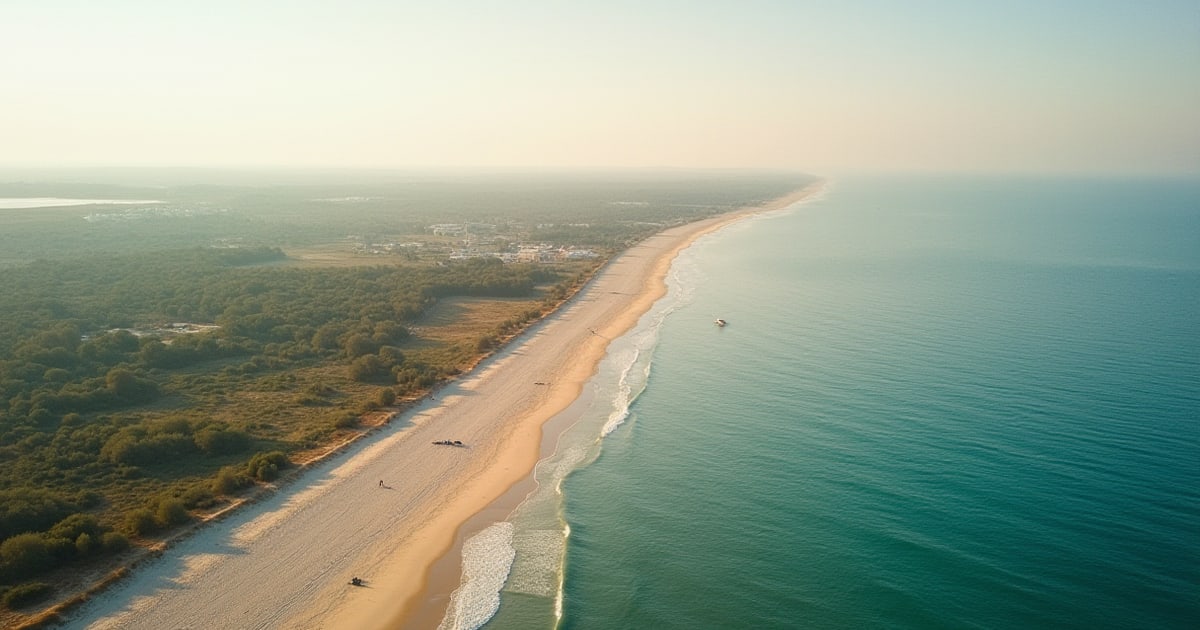
Burgas never wins the beauty contest, and that is exactly why people stay. Bulgaria's fourth city (around 200,000 residents) is flat, compact, gridded, and unpretentious — a working port town that quietly became the most convenient base on the Black Sea coast. The center is ten minutes from anywhere by bike, the Sea Garden opens onto a long city beach, the airport is 15 minutes away, and the best beaches in Bulgaria — Sozopol, the Ropotamo dunes, and the wild southern coast toward Sinemorets — start 30 minutes down the road.
If Varna is the sea capital, Burgas is the sea city for people who dislike fuss. Since euro adoption and full Schengen it has also become one of the cheapest coastal cities in the EU with a functioning airport. The honest guide follows; for country basics, start with moving to Bulgaria.
Who Lives Here
Burgas expats skew practical: British and Irish semi-retirees who did the math against the Spanish costas, Russian- and Ukrainian-speaking families settled since the 2010s, remote workers priced out of (or turned off by) Varna, and seasonal aviation and tourism staff who anchor here for the summer and sometimes never leave. The city is also the service hub for the huge holiday-property belt from Sozopol to Sunny Beach, so many foreigners technically living "on the coast" do their real life — hospitals, MOTs, paperwork, big shopping — in Burgas.
It is a modest scene compared with Sofia, but a genuinely settled one: these are people with Bulgarian ID cards, not suitcases.
The Neighborhoods That Matter
The Center
Between the pedestrian Aleksandrovska boulevard and the Sea Garden: early-20th-century buildings, cafes, the best restaurants, and the beach at the end of the street. Compact enough that "central" means everything within a 15-minute walk. The obvious first choice, and still affordable by coastal-EU standards.
Lazur
The prestige district beside the Sea Garden's southern half — a mix of renovated blocks and newer buildings where sea proximity meets residential calm. Home to the stadium, close to the beach, consistently the priciest square meter after the center.
Bratya Miladinovi and Zornitsa
The mid-town workhorses: ordinary blocks, big courtyards, markets, everything ten minutes by bike from the center. Unremarkable and quietly excellent value for long-term renters.
Slaveykov and Izgrev
The big panel districts to the northwest — Burgas's cheapest serious housing stock, well-served by buses and the university. Renovated flats here rent for €300-something; the trade-off is socialist aesthetics and a 20-minute ride to the sea.
Sarafovo
A former fishing village absorbed into the city's northern edge, next to the airport: low-rise streets, its own beach and small marina, and a strong expat presence. Village texture with city membership — the local favorite for foreigners with cars.
Meden Rudnik
The vast district over the hill to the southwest. Cheapest of all and self-contained, but far from the sea and the center; most newcomers should look elsewhere first.
Cost Snapshot (late 2026)
| Item | Price (monthly) |
|---|---|
| 1-bed apartment, city center | €420–520 |
| 1-bed apartment, outside center | €330–420 |
| Family 3-bed, good district | €600–850 |
| Utilities, 85 m2 apartment | €90–120 |
| Public transport pass | ~€20 |
| Couple, total comfortable budget | €1,400–1,800 |
Wise's 2026 data puts a central one-bed around €455 and a single person's non-rent costs near €600; local agents quote €700-1,000 a month as a comfortable single budget, €900-1,300 for a couple before rent extras. That undercuts Varna by 10-15% and Sofia by a third. Model your own situation in the cost of living calculator, and note the same coastal rule as Varna: negotiate 12-month leases off-season — tactics in the renting guide.
Work and Internet
The local economy runs on the port, logistics, summer aviation, tourism services, and — the elephant on the horizon — the Lukoil Neftochim refinery, the largest in the Balkans. On-site professional work for English speakers is scarce outside those niches; salaries trail Sofia significantly. Burgas works best as a remote-income city, and its costs make modest remote salaries stretch far — see the digital nomad guide for the visa and 10% flat-tax setup.
Fiber internet is €10-15 for hundreds of megabits, coworking exists on a small scale, and mobile coverage along the whole southern coast is strong.
Getting Around
Burgas is the easiest Bulgarian city to live in without a car — genuinely flat, with the country's best bike-lane network and a compact center. Buses cover the districts; everything else is a pedal. Burgas Airport (in Sarafovo, 15 minutes out) is a summer powerhouse with dozens of European routes from May to October — and close to dormant in winter, when Sofia (4 hours by highway) or a thin Wizz schedule carries the load. The southern beaches are the reason to own a car here: Sozopol in 30 minutes, Primorsko in 45, Sinemorets in a little over an hour. If that lifestyle is the point, budget for wheels — see driving in Bulgaria.
Healthcare and Schools
Burgas covers the standard needs well: a large regional hospital complex, decent private clinics (specialist visits €25-45), plus the coast's medical infrastructure that scales up every summer. It is a step below Varna and two below Sofia for rare or complex conditions — serious cases travel. Arrange cover through the healthcare and insurance guide.
Schools follow the provincial pattern: solid Bulgarian public schools, good language high schools (the English and German gymnasiums are well regarded), several private options, but nothing international-curriculum. Families with primary-age children integrate happily; families needing IB or GCSE tracks look to Sofia or online schooling.
Social Life and the Expat Scene
Burgas social life is seasonal in shape but not in existence. Summer is loud: the Sea Garden fills, festivals stack up (Spirit of Burgas heritage, jazz, sand sculptures), and the whole southern coast becomes your weekend menu. Winter contracts to cafes, gyms, the theater, and dinners — smaller than Varna's off-season, noticeably. The expat community is tight and helpful, organized through active Facebook groups and informal weekly meetups rather than institutions; newcomers report it is the easiest coastal city to make local friends in, partly because it is not drowning in tourists' money. The salt lakes bordering the city — flamingo-pink Atanasovsko among them — give birders and runners a strange, beautiful backyard.
The Honest Downsides
Winter flights are the big one: from November to March the airport barely operates, so every trip means Sofia (4 hours) or a rare direct. Winter itself is quiet — pleasant if you like calm, deflating if you moved for buzz. The refinery west of town is an employer, an eyesore, and an occasional smell on the wrong wind; it bothers some residents and goes unnoticed by others. Career options are thin, the cultural calendar is modest by big-city standards, and the summer influx flips the city's character for ten weeks whether you like it or not. Finally, the surrounding holiday-property belt is a minefield of poorly built 2007-era stock — if you are tempted to buy, read buying property in Bulgaria first.
Verdict: Who Should (and Shouldn't) Pick Burgas
Pick Burgas if you want low-effort coastal living: flat, cheap, bikeable, 15 minutes to an (summer) airport, 30 minutes to Bulgaria's best beaches, with a couple's budget around €1,400-1,800. Ideal for remote workers, semi-retirees, and anyone who reads "quieter than Varna" as a feature — see also retiring in Bulgaria.
Skip Burgas if you need year-round flight connectivity, a real job market, international schools, or big-city cultural depth — that is Varna or Sofia. If even Burgas feels urban, the small coastal towns are the next step — with their own sharp trade-offs.
FAQ
Burgas or Varna — which should I choose?
Burgas for calm, flatness, biking, lower costs, and the southern beaches; Varna for universities, hospitals, winter liveliness, and better year-round flights. They are 90 minutes apart — many people visit both for a week each before deciding.
Is the refinery a real problem?
For most residents, no — it sits west of the city and the prevailing sea breeze keeps the air fine; Burgas's air quality is generally better than Sofia's. On certain winds you may catch an industrial smell for a day. Sensitive noses should visit before committing.
What is winter actually like?
Mild for Bulgaria (rarely far below zero, occasional snow that melts fast), grey, and quiet. The city functions completely — it is the flight schedule, not the city, that hibernates.
How close are the good beaches?
The city beach is at the end of the center. The genuinely great ones — Sozopol's old town beaches, Dyuni, Primorsko, the Veleka mouth at Sinemorets — are 30-75 minutes south by car, which is exactly why people base themselves here.
Sources
Got a question this guide didn't answer? Ask the community — we reply to every question.