Pomorie, Bulgaria: The Salt-Lake Spa Town on the Black Sea (2026)
Updated August 15, 2026 · 8 min read
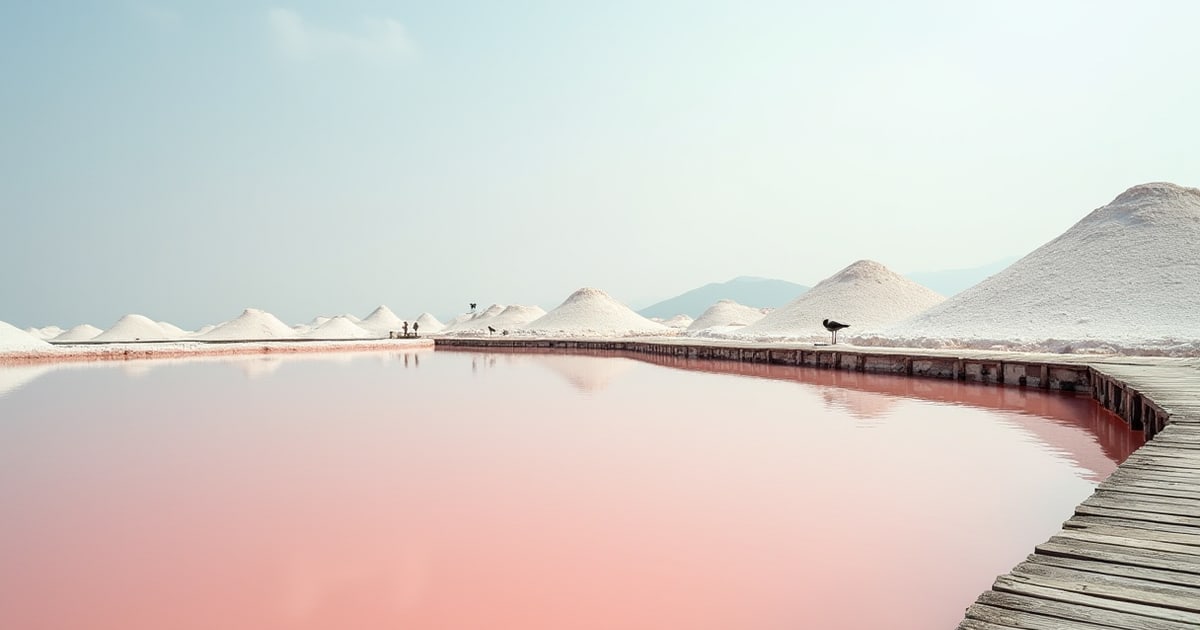
Pomorie is a working town on a narrow peninsula between the Black Sea and a mineral-rich salt lake, about 20 km north of Burgas. It draws a different crowd than the big resorts up the coast: retirees chasing mud-bath treatments and a mild climate, wine tourists visiting the vineyards just inland, and people who want beach-town living without moving into a place that's basically a construction site with a shoreline. It's not for you if you want nightlife, a big international social scene, or a town that feels lively in January — Pomorie in winter is quiet to the point of sleepy. If you want real coastal living near a real airport with a working town center and a spa-town identity that isn't seasonal fiction, keep reading.
What it's like
Pomorie's old town sits on a peninsula lined with 19th-century wooden Black Sea houses, a handful of small churches, and narrow streets that end at the water on both sides — you're never more than a few minutes' walk from the sea. The newer parts of town spread inland and along the coast road toward the salt pans. It's the third-largest settlement on the Bulgarian Black Sea coast after Varna and Burgas, with a year-round population around 14,000 in the town itself (about 28,500 across the wider municipality), which matters: this is a functioning Bulgarian town with schools, a hospital, and permanent residents, not a resort built only for tourists.
The defining feature is Pomorie Lake, a 6.7 km-long lagoon separated from the sea by a narrow strip of land, its bottom covered in black mineral mud that's been used therapeutically for over a century. Spa and balneology hotels line the approach to the lake, offering mud wraps, mineral baths, and rehabilitation programs for skin and musculoskeletal conditions — this is a genuine wellness-tourism economy, not a gimmick, and it's a major reason the town has more going on outside peak summer than most Black Sea resorts. The northern end of the lake is still an active salt works, with salt harvesting going back over 2,000 years; Pomorie's Salt Museum, built into the old evaporation pans, is the only one of its kind in Eastern Europe. Inland from town, the Pomorie wine appellation is one of Bulgaria's most established, home to Black Sea Gold (founded 1932) and smaller producers like Stratsin Winery, working both international varieties and native Bulgarian grapes like Mavrud.
The season (honest winter reality)
Summer in Pomorie runs roughly June through September, with the mud-bath and wellness season peaking from late May to September when the lake water and mud are warmest. During those months the town is genuinely alive — beaches busy, restaurants full, the old town promenade doing real trade. Because of the spa hotels, Pomorie also holds onto some shoulder-season life that pure beach resorts don't get: wellness tourists book treatment packages in spring and autumn, so April, May, and October aren't dead the way they'd be in, say, Sunny Beach.
Winter is a different story, and you should go in with clear eyes. Once the spa hotels scale back and the summer crowd leaves, the town gets quiet — many seasonal restaurants and shops close, the boardwalk empties out, and daytime temperatures sit around 0–5°C with a damp coastal chill that feels colder than the number suggests. It is not the dead-of-winter ghost town some pure resort villages become, because the hospital, supermarkets, schools, and a core of local businesses run year-round regardless of tourists — but don't move here expecting winter buzz. This pattern (busy summer, workable but quiet winter) is fairly typical outside the two or three coastal towns that function as year-round cities.
Property: buying and renting (real 2026 EUR numbers)
Pomorie's property market sits below the premium resort towns nearby (Nesebar, Sveti Vlas) but above cheaper inland options, reflecting its status as a real town with real infrastructure rather than a pure holiday development.
| Property type | Typical 2026 price |
|---|---|
| Older apartment, away from sea, central/old town | 800–1,300 €/m² |
| New-build apartment, standard complex | 1,250–1,450 €/m² |
| Sea-view / premium new-build | 1,720–2,820 €/m² |
| 1-bed apartment (50–60 m²), resale | roughly 50,000–75,000 € total |
| Family house, central Pomorie | from around 800 €/m² for the plot/build, total price varies widely by size and land |
Long-term rent is genuinely available here, unlike in some smaller resort villages where almost everything is short-term summer letting. Studios start around €200/month, one-bedroom apartments run €400–450/month, and two-bedroom apartments average around €600/month, working out to roughly €6–7/m². Expect landlords to want a deposit plus first month up front, and note that foreign tenants renting long-term need to be registered with local police within a few days of moving in — your landlord or agency normally handles this. If you're weighing whether to rent before you commit, renting long-term has the mechanics; if you're ready to buy, buying property covers the notary process and the paperwork foreigners actually need. Either way, budget your monthly numbers against a realistic cost of living baseline before you commit — Pomorie tracks close to the coastal-town averages there, not the cheaper inland ones.
Everyday practicalities
This is where Pomorie earns its "real town" reputation. You've got Lidl and Billa supermarkets in town, a municipal hospital, pharmacies, schools including a vocational tourism school, and enough permanent population to keep services running through winter — a genuine advantage over villages that shut down almost entirely once the season ends. For anything beyond routine care, Burgas (20 km away) has the region's main hospitals, private clinics, and specialists. Bulgarian is the everyday language in shops and offices; English gets you through tourist-facing businesses and younger staff in summer, less reliably with officials or older residents in winter, so picking up basic Bulgarian phrases pays off fast.
The expat presence is real but not huge — a mix of retirees and long-term residents drawn by the mud-bath health tourism and the milder microclimate the salt lake gives the coastline, plus a historically notable Russian-speaking community tied to the wellness-tourism trade; the exact composition has shifted since 2022 and is worth checking current on-the-ground reports before assuming any particular nationality dominates. It's a calmer, more residential feel than Sunny Beach or Nesebar's old town, without the concentrated international bubble you'd find in bigger expat hubs.
Getting there and around
Burgas Airport is about 9–10 km away — a 15–20 minute taxi or transfer, one of the shortest airport commutes of any coastal town in Bulgaria, and a genuine practical advantage if you fly in and out regularly. Burgas city itself is about 20 km/20–25 minutes by road, giving you a real regional hub for shopping malls, larger hospitals, the train station, and bus connections nationwide; see living in Burgas if you want a fuller comparison of the city itself. Public buses run between Pomorie and Burgas regularly, and the coastal towns north of Burgas — Sunny Beach, Nesebar, Sveti Vlas — are all within a 20–30 minute drive.
That said, a car changes daily life here dramatically, especially off-season when bus frequency drops and you'll want to reach Burgas for shopping or appointments without waiting on a timetable. If you're relocating long-term, work through driving in Bulgaria for the license and import rules before you commit to buying. If you're still working out visa or residency logistics before any of this matters, the residency wizard will point you to the right permit path.
Who it suits (verdict by persona)
Retirees and health-focused movers: strong fit. The mud-bath and balneology infrastructure is real and used year-round by both locals and visitors, the town has a working hospital, and the pace is slower than the party resorts without being isolated.
Remote workers wanting coastal life with a short airport run: good fit. The 15-minute airport transfer is hard to beat anywhere on this coast, and Burgas gives you a real city nearby for anything Pomorie itself doesn't have.
Wine and food-focused expats: good fit — the Pomorie appellation and its wineries are a genuine local asset, not a tourist add-on.
Anyone wanting nightlife or a large, tight-knit international social scene: skip it. That's Sunny Beach or, to a lesser extent, Sveti Vlas; Pomorie is quieter and more residential by design.
Buyers chasing the cheapest possible coastal property: look further afield — Pomorie's old-town and central prices undercut Nesebar and Sveti Vlas but aren't the coast's rock-bottom option.
FAQ
Is Pomorie touristy or a real town?
Both. It's a working town of roughly 14,000 year-round residents with schools, a hospital, and permanent services, but summer brings a significant tourist and spa-treatment influx that visibly changes the pace from June through September.
How far is Pomorie from Burgas Airport?
About 9–10 km, roughly a 15–20 minute taxi or transfer — one of the shortest airport commutes of any town on the Bulgarian Black Sea coast.
Can I rent long-term in Pomorie, or is it all summer lets?
Long-term rental is genuinely available, unlike in some smaller resort villages. Expect roughly €200/month for a studio up to €600/month for a two-bedroom, though summer months see landlords favor short-term tourist rates where they can get them.
What are the mud baths actually like?
Pomorie Lake's black mineral mud is used in spa hotels for treating skin and musculoskeletal conditions, alongside mineral-water baths. It's a genuine balneology industry with a long history, not a tourist novelty, and the season for it runs roughly late May to September.
Is Pomorie a good base if I don't drive?
Workable in summer thanks to regular buses to Burgas and nearby coastal towns, but winter schedules thin out and you'll feel the lack of a car for anything beyond the town center — plan on driving lessons or a car within your first year if you're staying long-term.
Sources
- Pomorie, Bulgaria — Wikipedia
- Pomorie Municipality — Wikipedia
- Pomorie Lake — Visit Bulgaria
- 2026 Guide to Bulgaria's Pomorie Wine Region — WineTourism.com
- Black Sea Gold Pomorie — Bulgarian Wine
- Stratsin Winery
- Properties and real estate in Pomorie — BulgarianProperties.com
- Apartments for rent in Pomorie — Rentola
- Burgas Airport (BOJ) to Pomorie — Rome2Rio
- The Cost of Living in Bulgaria (After the Euro Changeover)
Got a question this guide didn't answer? Ask the community — we reply to every question.