Living in Bansko: The Digital Nomad and Ski Town Guide
Updated August 14, 2026 · 7 min read
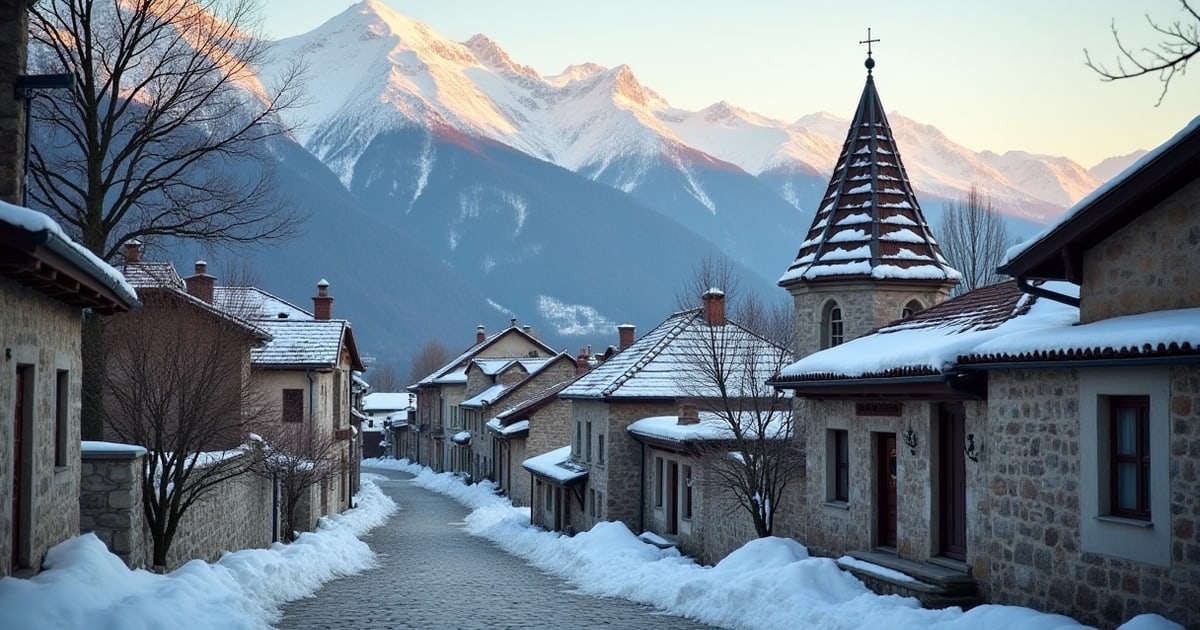
Bansko is the strangest success story in Bulgaria: a stone-built mountain town of about 9,000 people at the foot of the Pirin range that accidentally became one of Europe's best-known digital nomad hubs. The formula is blunt — the cheapest ski resort in the EU, rents from €250, gigabit fiber, a UNESCO-listed national park out the back door, and a coworking community so established that the annual Bansko Nomad Fest pulls hundreds of remote workers from around the world every summer.
It is also, and this matters, a small town in the mountains: limited healthcare, a two-hour drive to the nearest airport, and a personality that changes completely four times a year. People either extend their stay twice or leave after a month. Here is the honest version; for the visa and setup side, pair this with the Bulgaria digital nomad guide.
Who Lives Here
Three tribes share the town. Locals run the mehanas, hotels, and lifts, and family roots here go back centuries — Bansko was a wealthy merchant town long before skiing. Seasonal workers and second-home Bulgarians surge in winter. And then there is the international remote-work colony: a few hundred year-round nomads and semi-settled expats — developers, designers, marketers, crypto people, online coaches — clustered around the coworking spaces, with numbers tripling in ski season and again during Nomad Fest. It skews 25-45, single or young-couple, and more community-hungry than the average expat scene: people come precisely because it is easy to meet others.
The Neighborhoods That Matter
The Old Town
Cobbled lanes, stone houses, and mehana smoke around the Nikola Vaptsarov square and the Holy Trinity church. The prettiest and most "real" part of town, walkable to everything, with guesthouse-style rentals rather than apartment blocks.
The Center
The working spine along Pirin and Tsar Simeon streets: supermarkets, pharmacies, cafes, coworking spaces. Unremarkable Bulgarian small-town fabric, and the most practical base — everything within ten minutes on foot.
The Ski Zone (around the gondola)
A dense belt of apart-hotels and complexes built in the 2000s boom between town and the gondola station. Walk-to-lift convenience in winter, half-empty in the off-season. Rents and purchase prices here are strikingly low; maintenance fees, build quality, and dead corridors in May are the catch.
Glazne
The quarter along the Glazne river between the center and the ski zone — newer buildings, mountain views, five minutes from both the gondola and the supermarkets. The default compromise for wintering nomads.
Banya (5 km)
A village ten minutes away famous for its hot mineral springs — several pool complexes and spa hotels. A small expat cluster lives here for the thermal-water lifestyle and lower prices, commuting into Bansko for coworking and nightlife.
Dobrinishte (6 km)
Bansko's quieter sibling: its own small ski area, hot springs, and village pace. For people who want Pirin without the resort economy — a car helps.
Cost Snapshot (late 2026)
| Item | Price (monthly) |
|---|---|
| Studio, long-term | €200–300 |
| 1-bed apartment, long-term | €250–400 |
| Family 2-3 bed apartment or house | €400–600 |
| Utilities (winter heating months) | €80–150 |
| Coworking membership | €100–175 |
| Couple, total comfortable budget | €1,100–1,500 |
These are long-term (6-12 month) rates; short winter lets cost two to three times more, and December-March newcomers hunting a season-only rental pay resort prices. The overall cost of living is the lowest of any established nomad hub in the EU — a single person lives well on €700-1,000 a month including rent and a coworking desk. Sanity-check your plan against the national cost of living guide and the cost of living calculator.
Work and Internet
Nobody moves to Bansko for a local job; you bring your income with you. What the town supplies is infrastructure and company: Coworking Bansko — the community's founding institution since 2016 — plus Altspace and a handful of newer spaces, running talks, ski mornings, founder dinners, and the co-living pipelines that keep the scene stocked with newcomers. Fiber internet is fast (hundreds of megabits for €10-15) and reliable even in storms; mobile coverage is solid in town, patchier up the valleys.
The paperwork side is standard Bulgaria and unusually favorable: 10% flat tax, cheap accountants, and a clear choice between freelance registration and an EOOD company — compare in freelancer vs. EOOD. Non-EU nomads should start with the D visa guide; EU citizens just register — see EU citizens moving to Bulgaria.
Getting Around
The town itself is a 20-minute-diameter walk; many residents never need transport inside it. The gondola runs from the edge of town in winter (expect real queues on peak mornings — regulars buy early passes or ride the first cabin). Getting anywhere else is the rub: Sofia and its airport are about 160 km — 2 to 2.5 hours by car, closer to 3 by bus — and there are shuttle services in ski season. The scenic narrow-gauge railway to Septemvri is a lovely day out, not a transport link. A car transforms life here: hot springs, Melnik wine country, Greek border runs (Thessaloniki is 3.5 hours through Schengen with no border stop). Many nomads split a rental or buy cheap — see driving in Bulgaria.
Healthcare and Schools
This is the section that filters people. Bansko has GPs, dentists, pharmacies, and a small medical center that handles ski injuries competently (it sees thousands). Anything serious means the hospital in Razlog (15 minutes), the bigger one in Blagoevgrad (45 minutes), or Sofia (2+ hours). For a healthy 30-year-old that is fine; for chronic conditions or risky pregnancies it is a real constraint. Insurance first — the healthcare guide covers both state and private options, and check your policy covers ski rescue.
Schools: Bulgarian public schools in town, nothing international. The handful of nomad families here homeschool or world-school; families wanting conventional education pick Sofia.
Social Life and the Expat Scene
Pound for pound, the best expat social scene in Bulgaria. The coworking communities engineer connection — weekly dinners, ski buddies boards, hiking groups, salsa nights — so newcomers report making more friends in two weeks here than in six months in a capital city. Winter is the high season: apres-ski, packed mehanas (a full grill dinner with wine still runs €12-18), international chaos. Summer is the connoisseur's season: empty trails to Vihren (2,914 m), alpine lakes, mountain biking, hot-spring evenings in Banya, and the Nomad Fest tribe taking over town. The two dead shoulders — April-May and October-November — are when you learn whether you actually like small-town mountain life or just liked the crowd.
The Honest Downsides
It is a small town. Two supermarkets' worth of variety, one cinema-less main street, and everyone knows your business within a season. Healthcare is thin beyond ski injuries. The airport is two-plus hours away, which turns every flight into a half-day project. Ski-season crowds and gondola queues are real — peak weekends feel like the whole of Sofia drove down, because it did. Shoulder seasons are dead, and some apartment complexes are depressingly empty year-round, with mold and maintenance issues in the cheapest 2000s-era stock — view before you commit, and read the long-term renting guide. Finally, wood and coal heating means crisp mountain air gets smoky on cold still evenings — better than Sofia, not alpine-pristine.
Verdict: Who Should (and Shouldn't) Pick Bansko
Pick Bansko if you work remotely, want the cheapest good life in the EU with skiing and a UNESCO national park attached, and value instant community over urban variety. For a season — especially your first winter abroad — it is close to unbeatable.
Skip Bansko if you need serious healthcare, schools, an airport, or anonymity, or if you know small towns wear on you. Most long-termers either settle into a Bansko-plus-somewhere rotation or graduate to Sofia with Bansko weekends — the drive is short enough to have both.
FAQ
Can I live in Bansko year-round?
A few hundred foreigners do. The ones who last love mountains in all four seasons, not just snow — and they have a car. If you are testing, commit to one full shoulder season (May or November) before signing a year's lease.
What does a ski season actually cost?
Long-term renters are insulated from resort pricing: €250-400 rent, €100-175 coworking, €50-60 day lift passes or a season pass if you ski 20+ days, cheap food. A full working ski season is realistic on €1,000-1,300 a month — a fraction of the Alps.
Is the internet really good enough for remote work?
Yes — this is half the reason the hub exists. Fiber packages of 300-1000 Mbps cost €10-15 a month, the coworking spaces have redundant lines, and outages are rare even in heavy snow.
How do I meet people when I arrive?
Buy a coworking membership before you unpack — it is the town's social operating system. Between the spaces' event calendars and the big Bansko nomad Facebook and Telegram groups, an average week offers more scheduled socializing than most capitals.
Sources
Got a question this guide didn't answer? Ask the community — we reply to every question.