Living in Varna: The Expat Guide to Bulgaria's Sea Capital
Updated August 14, 2026 · 7 min read
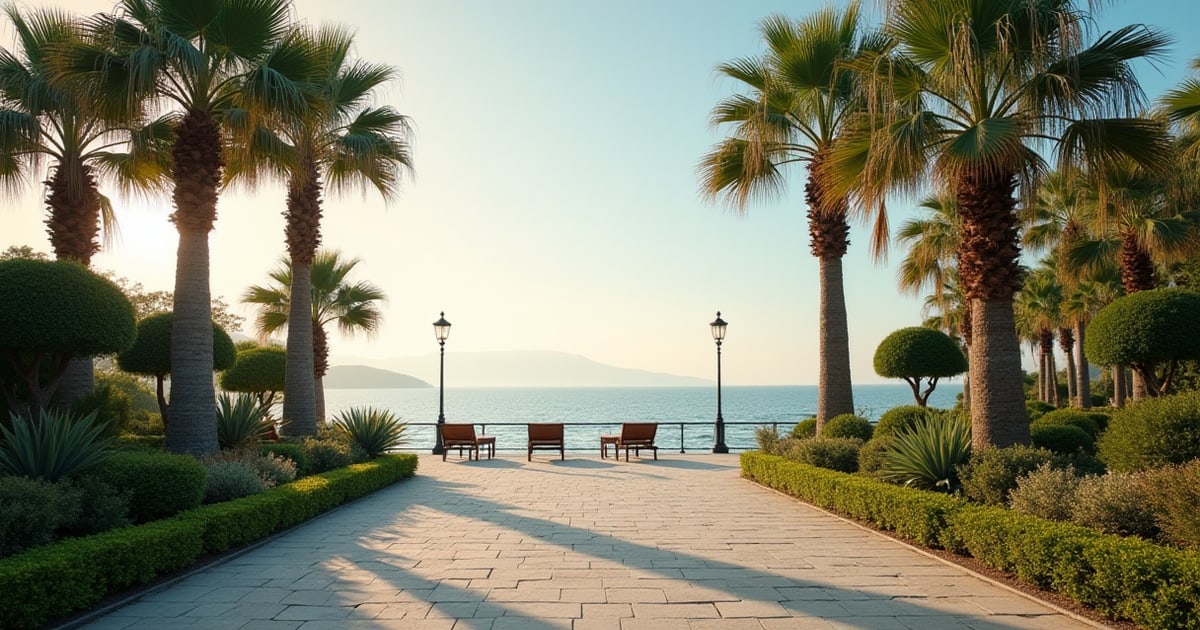
Varna is the answer to a specific question: can I live by the Black Sea without moving to a resort that dies in October? With around 330,000 residents, three universities, a navy headquarters, a commercial port, and a year-round airport, Varna is a real city that happens to have beaches inside its limits and the magnificent Sea Garden running along its entire seafront. It is Bulgaria's third city and its undisputed sea capital.
The pitch writes itself — morning swims from May to October, seafood, a mild maritime climate — but Varna also has a genuine winter identity shift, summer crowding, and a job market that cannot match Sofia. Since euro adoption and full Schengen in 2026, coastal property and rents have climbed steadily as EU buyers arrive. Here is the honest picture; for the national basics first, see moving to Bulgaria.
Who Lives Here
Varna's foreign community is one of Bulgaria's oldest and most settled: British and German retirees who arrived in the 2000s property wave, a large Russian-speaking population, and — the fastest-growing group since Schengen — remote workers and young EU families choosing sea life over city salaries. The Medical University's English-language program adds several thousand international students, keeping the center younger than the retiree stereotype suggests. Sailors, port engineers, and navy families give the city a maritime working culture underneath it all.
Unlike the resort towns, foreigners here are residents, not tourists — schools, dentists, gyms, the whole infrastructure of actual life.
The Neighborhoods That Matter
The Center and the Greek Quarter
Pedestrian boulevards, the opera house, cafes, and the old Greek Quarter's low historic houses just behind the port. Living centrally means everything on foot including the Sea Garden and beach stairs. Prices are the city's highest outside the seafront, and August brings noise.
Briz and the Sea Garden North
The prestige belt above the northern beaches — modern buildings and villas on the slope between the Sea Garden's northern reaches and the sea. Closest thing to living "on" the water while staying in the city. Expensive by Varna standards; glorious from April to October.
Chayka
A green mid-century district wedged between the center and the university zone, next to the Sea Garden's quieter stretch. Renovated blocks under the pines, very livable, popular with families and academics. Good value for the location.
Levski
Northeast of the center: an unglamorous, well-connected residential district where rents drop noticeably while the beach stays 15-20 minutes away. A sensible base for people who want space for money.
Asparuhovo and Galata
Across the bridge on the southern shore: Asparuhovo is a working-class quarter with its own long beach and a village feel; Galata, on the cliffs beyond, is half village, half slow-burn expat colony with sea views. Cheaper, quieter, and dependent on the bridge for everything.
Vinitsa
Inland-uphill toward Golden Sands: houses with gardens, new small builds, and a mixed Bulgarian-foreign population. The compromise district for people who want a yard within 15 minutes of both the city and the northern beaches.
Cost Snapshot (late 2026)
| Item | Price (monthly) |
|---|---|
| 1-bed apartment, city center | €450–600 |
| 1-bed apartment, outside center | €350–450 |
| Family 3-bed, good district | €700–1,100 |
| Utilities, 85 m2 apartment | €110–150 |
| Public transport pass | ~€20 |
| Couple, total comfortable budget | €1,700–2,100 |
Numbeo's mid-2026 averages: €546 for a central one-bed, €419 outside, and about €710 a month for a single person before rent. Note the seasonal quirk: long-term rents are negotiated September-May; summer landlords chase holiday money. Sign a 12-month lease and read our long-term renting guide before you do. Compare with other cities in the cost of living guide.
Work and Internet
Varna's on-site market is thin for foreigners: maritime and logistics roles around the port, seasonal tourism management, some BPO and a modest but growing IT scene. Local salaries trail Sofia by 20-30%. The realistic model — and what nearly every arriving expat under 50 actually does — is remote income against Varna costs; the digital nomad guide covers visas and setup, and the tax guide explains the flat 10% that makes it attractive.
Infrastructure is no compromise: fiber at €10-15 a month across the city, good mobile coverage, and several coworking spaces in and around the center. Working from a Sea Garden cafe from May to October is not a myth; it is Tuesday.
Getting Around
Varna works without a car better than any Bulgarian city except Sofia: dense bus lines (rides under a euro), walkable center, and the Sea Garden as a car-free spine along the entire seafront. The catch is topography — the city climbs from the sea, so "15 minutes away" can mean 80 meters of elevation. Varna Airport is 20-25 minutes from the center with year-round service (London, several German cities, Sofia) that thickens dramatically in summer and thins in winter — you will occasionally connect through Sofia or Istanbul off-season. A car earns its keep for the northern beaches, Kamchia forests, and weekend trips.
Healthcare and Schools
Another university-medicine city: the Medical University and St. Marina, one of Bulgaria's largest hospitals, anchor the public system, with private clinics covering fast access — specialist visits around €25-45. Quality for routine and most serious care is solid; the rarest specialist cases still travel to Sofia. Sort coverage via the healthcare and insurance guide.
Schooling is decent but not international-deep: good Bulgarian public schools, respected language high schools, several private bilingual options, but no full IB international school — the main reason corporate families with teenagers choose Sofia. For primary-age children, families report smooth integration into Bulgarian or bilingual schools.
Social Life and the Expat Scene
Summer Varna needs no help: beach bars from the city to Golden Sands, festivals, opera in the open air, and half of Bulgaria on holiday around you. The truer test is February, and Varna passes it — the theaters, student nightlife, and cafe culture keep running because 330,000 people actually live here. The expat scene is well-organized (large Facebook groups, regular meetups, a growing nomad crowd wintering here for sea-view rents at half the summer rate). It skews slightly older and more settled than Sofia's; newcomers say it takes a season to break in, then it holds you.
The sea itself organizes much of the calendar: sailing and rowing clubs, windsurf and kite schools up the coast, paddleboard crowds at dawn, and a hardcore of winter swimmers who treat the January plunge as a civic duty. Add the Sea Garden's aquarium, dolphinarium, and open-air theater, plus day trips to the Kamchia river forests and the surreal stone columns of Pobiti Kamani, and the weekend problem in Varna is choosing, not finding.
The Honest Downsides
July and August are intense: prices bump, traffic on the boulevards crawls, and your quiet beach acquires 5,000 friends. Winter is real — grey, windy, 0-8°C for months, with the seafront cafes shuttered and the city visibly exhaling; some remote workers find November-February flat. The flight map shrinks off-season, adding connections to many trips. Career-wise it is a remote-income city — the local market will not pay you Western wages. And the northern satellite zone toward Golden Sands is overbuilt holiday stock: poor construction, empty in winter, tempting on price. Buy carefully — read buying property in Bulgaria before falling for a sea-view bargain.
Verdict: Who Should (and Shouldn't) Pick Varna
Pick Varna if you want the sea as a daily fact rather than a holiday, backed by real-city infrastructure: university hospitals, an airport, winter culture, and a couple's budget around €1,700-2,100. For remote workers and active retirees it is the most complete coastal life in Bulgaria.
Skip Varna if you need a serious local job market or IB schooling (Sofia), or you want smaller and more personal — Burgas is Varna's calmer sibling, and the small coastal towns are another world again.
FAQ
Is Varna dead in winter?
The resorts north of the city shut almost completely; Varna itself does not. Theaters, restaurants, malls, universities, and nightlife run year-round — just at 60% of summer intensity, in grey weather. Expect a real city in the off-season, not a summer one.
Varna or Burgas?
Varna is bigger, livelier, more urban, with better healthcare, universities, and winter flights. Burgas is calmer, flatter, tidier, and closer to the best southern beaches. Choose Varna for city energy, Burgas for ease.
Can I swim in the sea in the city?
Yes — city beaches run below the Sea Garden, with Asparuhovo's long beach across the bay. Water is comfortable late May to early October. Locals with standards take the bus 15 minutes north to Kabakum and beyond.
How are the winter flight connections?
Year-round routes to London and Germany hold through winter, but the schedule thins sharply; many trips route via Sofia or Istanbul off-season. Summer opens dozens of direct routes.
Sources
Got a question this guide didn't answer? Ask the community — we reply to every question.