Living in Veliko Tarnovo: The Historic City on a Budget
Updated August 14, 2026 · 7 min read
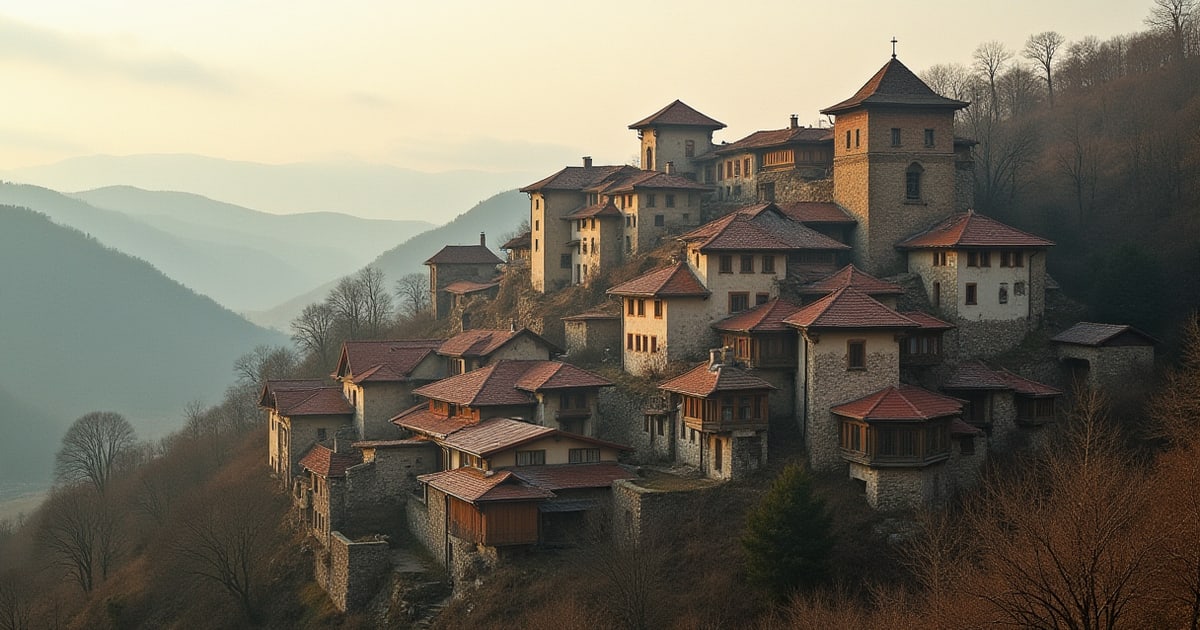
Veliko Tarnovo does not look real the first time you see it: a medieval capital stacked in tiers above the hairpin gorge of the Yantra river, crowned by the Tsarevets fortress where Bulgarian tsars ruled for two centuries. Around 70,000 people live in the modern city behind the postcard — including some 10,000 students at two universities, which is the detail that keeps this from being a museum town.
For foreigners, the pitch is simple: one of the most beautiful small cities in Europe at some of the lowest costs in the EU — a central one-bed for close to €300, a couple living well under €1,500 a month. The counterweight is isolation: no airport within two and a half hours, a small expat scene, and provincial healthcare. Veliko Tarnovo rewards a specific kind of person. Here is how to know if you are one; for the country-level basics, start with moving to Bulgaria.
Who Lives Here
Three overlapping populations. Students dominate the center's energy — the University of Veliko Tarnovo and the National Military University keep cafes, bars, and cheap eateries running through winter. Locals work in services, light industry, and the tourism that Tsarevets pulls in. And then a modest but deep-rooted foreign community: this region has been a British expat heartland since the 2000s property wave, with hundreds of UK (plus Dutch, German, American) retirees and remote workers in the city and — more often — in the villages around it, where houses with orchards still sell for the price of a used car. The city itself hosts a younger sliver: online workers and couples who wanted historic Europe without historic-Europe prices.
The Neighborhoods That Matter
The Old Town (Varusha and Gurko Street)
The tiered historic quarter under Tsarevets: Revival-era houses hanging over the gorge, the Samovodska Charshia craft street, and views that never get old. Living here means stairs, tight or nonexistent parking, and character in industrial quantities. Some houses are lovingly restored; many need work.
The Center
The 19th-20th century town along Nezavisimost and Vasil Levski boulevards: shops, cafes, the market, everything walkable. Ordinary Bulgarian urban fabric with extraordinary views at the street ends. The practical first base for most newcomers.
Kartala
A hillside residential district with the city's best modern housing stock and panoramic views across to the old town. New builds with parking and elevators — the choice for people who want comfort first and cobbles on weekends.
Kolyu Ficheto and Buzludzha
The panel-block districts west of the center: unpretty, functional, and very cheap, with renovated two-beds renting around €250-350. Well connected by bus, ten minutes from the center.
Sveta Gora
The university hill across the river — student residences, the park, and quiet streets. Cheap rooms and small flats, young energy, and a footbridge walk to the center.
Arbanasi (4 km)
The famous plateau village above the city: fortified stone houses, monasteries, and a long-established expat and wealthy-Bulgarian colony. Village peace with the city ten minutes downhill — a car is essential.
Cost Snapshot (late 2026)
| Item | Price (monthly) |
|---|---|
| 1-bed apartment, city center | €280–350 |
| 1-bed apartment, outside center | €220–280 |
| Family 3-bed, good district | €450–550 |
| Utilities, 85 m2 apartment | €80–110 |
| Public transport pass | ~€15 |
| Couple, total comfortable budget | €1,200–1,500 |
Numbeo puts the central one-bed average at €313 and a single person's non-rent costs around €585 — among the lowest figures of any established expat destination in the EU. Eating out reflects it: a generous dinner for two with wine in a good mehana still lands under €30. Model your own numbers with the cost of living calculator and see how the city compares nationally in the cost of living guide.
Work and Internet
The local job market for foreigners is close to nonexistent — some English teaching, seasonal tourism work, and university positions. Everyone else brings income: pensions, remote jobs, online businesses, or rental income from elsewhere. On that model the city is excellent value, and Bulgaria's flat 10% tax makes modest incomes stretch further still.
Internet is the usual Bulgarian pleasant surprise: fiber at €10-15 a month even in the old town's stone houses, good mobile data, and a small but real coworking and cafe-laptop scene kept alive by students and a growing trickle of nomads who discovered that Tsarevets beats a beige coworking view. Village internet outside the city is more variable — check before buying that €25,000 farmhouse, and read buying property in Bulgaria before any rural romance goes too far.
Getting Around
The city is walkable but vertical — daily life includes hills and staircases that keep residents fit and rule the old town out for anyone with mobility issues. Buses cover the modern districts cheaply; taxis are plentiful and inexpensive. Intercity, the news is mixed: Veliko Tarnovo sits on the Sofia-Varna axis with regular buses and trains (via the Gorna Oryahovitsa junction, 15 minutes away), so reaching either city takes about 2.5-3 hours. But there is no meaningful airport within that radius — Sofia, Varna, and Bucharest are all roughly three hours by road. Most residents keep a car, and for village life it is non-negotiable — see driving in Bulgaria.
Healthcare and Schools
Honest tier-setting: the regional hospital and private clinics (including a MOBAL regional hospital and several private diagnostics centers) handle routine and moderate needs competently and cheaply — a specialist visit runs €20-40. Complex cardiology, oncology, and rare specialties mean Sofia or Varna, three hours away. That distance is the single most important factor for retirees to weigh; the healthcare and insurance guide explains how state and private coverage combine, and retiring in Bulgaria covers the wider calculus.
Schools are Bulgarian-only: solid public schools and a respected mathematics and language high school tradition, but nothing international. Expat families here either use local schools (young children integrate fast) or homeschool.
Social Life and the Expat Scene
Smaller and slower than the coast, warmer than you might expect. The student population keeps a bar-and-live-music scene running that a 70,000-person town has no right to; summer brings festivals, the Sound and Light show over Tsarevets, and craft markets on Samovodska Charshia. The expat community is organized around a few long-running Facebook groups, quiz nights, and village lunches rather than institutions — small enough that you will know most faces within months, established enough that arrival problems (vets, builders, notaries, translators) have a recommended answer within an hour of asking. People who need variety and anonymity feel the walls by month six; people who wanted to be known by their barista are home.
The Honest Downsides
Isolation is the price of the postcard. Every flight starts with a three-hour drive, which turns weekend trips abroad into logistics projects and makes visits from friends rarer than promised. The expat scene is small — if the community's five regular events do not suit you, there is no sixth. Healthcare is provincial, and serious conditions mean Sofia. Winters are cold and foggy in the gorge, with ice on those romantic cobbles; summers push past 35°C. The local economy is modest — wages are low, some buildings in the old town are visibly decaying, and the villages around are depopulating even as foreigners buy into them. And the very cheapness that attracts can mislead: €25,000 village houses often need €50,000 of work.
Verdict: Who Should (and Shouldn't) Pick Veliko Tarnovo
Pick Veliko Tarnovo if you have location-independent income, want daily beauty and history at the lowest costs of any city in this series, and prefer a knowable small community to an urban buffet. It is arguably the best value-for-beauty ratio in the EU, and the student energy keeps it alive year-round.
Skip it if you fly often, need advanced healthcare on your doorstep, or feed on big-city variety — Plovdiv offers a bigger version of the same historic-city formula with better connections. If the low costs appeal but you want an airport nearby, look at Ruse, 90 minutes north with Bucharest's hub an hour beyond.
FAQ
How cheap is it really?
A careful single person can live on €700-900 a month including rent; a comfortable couple spends €1,200-1,500. Rents of €280-350 for a decent central one-bed are real as of late 2026, though the best old-town renovations command more.
What is the closest airport?
Practically: Sofia, Varna, and Bucharest, each around three hours by road. Gorna Oryahovitsa's small airport nearby has no meaningful scheduled service. Budget for the transfer — most residents drive and park at Sofia Airport or take the intercity bus.
Is there anything to do in winter?
More than the size suggests — student nightlife, theaters, mehanas, and the fortress dusted in snow — but it is a quiet, foggy, inward season. If February in a small town frightens you, visit in February before committing.
Should I live in the city or a village?
Rent in the city first. The €25,000-house villages are seductive, but they add car dependence, renovation projects, and deeper isolation. A city base while you explore Arbanasi and the villages on weekends is the sequence locals recommend — and rent before you buy, always.
Sources
Got a question this guide didn't answer? Ask the community — we reply to every question.