Living in Plovdiv: The Expat Guide to Bulgaria's Culture Capital
Updated August 14, 2026 · 7 min read
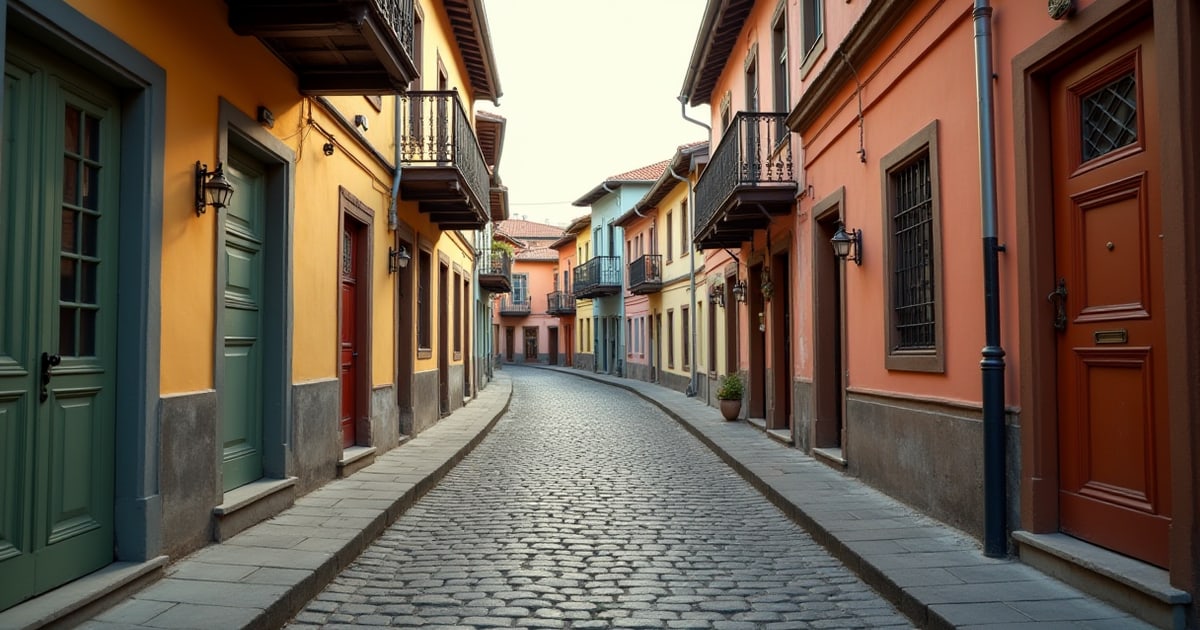
Plovdiv is the city expats fall for. Sofia gets the jobs and Varna gets the beach, but Bulgaria's second city — one of the oldest continuously inhabited cities in Europe, with a working Roman theater and a hipster quarter folded between seven hills — gets the loyalty. Around 350,000 people live here, it was European Capital of Culture in 2019, and it delivers most of what Sofia offers at roughly 70-75% of the price, with better weather ten months a year and much worse weather in July.
Since Bulgaria's euro adoption and full Schengen entry, Plovdiv has quietly become one of the best value plays in the EU: a walkable, genuinely beautiful city where a couple lives well on well under €2,000 a month. Here is the honest version, downsides included. New to the country entirely? Start with moving to Bulgaria: the complete guide.
Who Lives Here
Plovdiv's foreign community is smaller than Sofia's but distinctive: remote workers and freelancers who chose lifestyle over job market, artists and musicians orbiting the Kapana scene, several thousand international students at the Medical University's English-language program, and a steady trickle of Brits, Dutch, and Germans who tried Sofia and decided it was too much city. There is also a large industrial-expat layer most people never see — engineers and managers at the factories of the Trakia Economic Zone west of town.
The community is small enough that regulars recognize each other within months, and large enough that you are never the only foreigner in the room.
The Neighborhoods That Matter
Kapana and the Center
Kapana ("the Trap") is the postcard: a rehabilitated grid of craft-beer bars, galleries, roasteries, and design shops between the mosque and the Ancient Stadium. Living inside it is loud on weekends; living within ten minutes of it is the sweet spot. The wider center along Knyaz Alexander I is pedestrian, elegant, and entirely walkable.
The Old Town (Stariyat Grad)
Cobbled lanes and Revival-era mansions on the Three Hills, plus the Roman theater. Romantic, touristed, and impractical: listed buildings, no parking, icy cobbles in winter. A handful of expats live here and love it; most visit weekly instead.
Karshiyaka
North of the Maritsa river: a mix of older blocks and the city's biggest cluster of new builds, close to the rowing canal park. Ten minutes over the bridge from the center, noticeably cheaper, and popular with young families who want modern apartments.
Smirnenski and Gagarin
Southwestern districts near the university cluster and Rowing Canal side of town — leafy streets, 1970s-80s blocks with renovated flats, a big student presence around Gagarin. Good value and calm without feeling remote.
Trakiya
The giant panel district to the east. Aesthetically socialist, functionally fine: renovated apartments, big park, everything cheap. Where your euro stretches furthest if you do not care about charm.
Ostromila and the southern fringe
House-with-garden territory below the Rhodope foothills, popular with families and retirees who want a yard and a dog. Requires a car for everything.
Cost Snapshot (late 2026)
| Item | Price (monthly) |
|---|---|
| 1-bed apartment, city center | €400–550 |
| 1-bed apartment, outside center | €300–400 |
| Family 3-bed, good district | €600–800 |
| Utilities, 85 m2 apartment | €85–110 |
| Public transport pass | ~€20 |
| Couple, total comfortable budget | €1,500–1,900 |
A single person needs roughly €900-1,100 a month all-in with a modest one-bed; couples live comfortably — restaurants weekly, trips monthly — under €1,900. That is 25-30% below Sofia for a very similar quality of life. Compare cities properly with the cost of living calculator and the national cost of living guide.
Work and Internet
Be honest with yourself here: Plovdiv's on-site, English-speaking job market is a fraction of Sofia's. It exists — a growing IT and BPO cluster, outsourcing offices hiring language speakers, and serious engineering and management roles in the Trakia Economic Zone factories (Liebherr, ABB, and dozens more) — but if you need a local tech salary, Sofia wins. Most working expats in Plovdiv bring remote income.
For those who do, the setup is excellent: Bulgaria's flat 10% income tax (see the tax guide for foreigners), cheap coworking spaces around the center and Kapana, gigabit fiber at €10-15 a month, and strong mobile coverage. Freelancer or company? Read freelancer vs. EOOD before you register anything.
Getting Around
The center is flat and compact enough that many residents simply walk everywhere; a bike covers the rest. Buses are frequent and cost well under a euro a ride, though there is no metro or tram. Sofia is about 90 minutes away on the A1 highway with buses running roughly hourly, which matters because Plovdiv's own airport has only a skeleton schedule — a handful of low-cost routes. For most flights you drive or bus to Sofia. A car is optional in the center, useful for the Rhodope villages, wineries, and weekend trips.
Healthcare and Schools
Plovdiv is a university-medicine city, which lifts the standard: the Medical University teaching hospitals plus private options like Medline and Pulmed mean you can handle almost everything locally, with only rare specialist cases going to Sofia. Private appointments run €25-45. Sort your coverage first — the healthcare and insurance guide explains the state fund versus private policies.
Schools are the real gap versus Sofia: there is no full international school with an IB track. Options are Bulgarian public schools (free, respectable, Bulgarian-language), strong language-profile high schools, and a few private bilingual schools. Families needing English-only education at secondary level usually pick Sofia instead.
Social Life and the Expat Scene
Kapana gives Plovdiv a bar-and-gallery density that no Bulgarian city its size can match, and the calendar is genuinely full: Kapana Fest, Opera Open in the Roman theater, jazz nights, wine festivals in the surrounding Thracian wine country. The expat scene runs on a few active Facebook groups, regular language-exchange and nomad meetups, and the international-student crowd keeping things young. It is warmer and easier to break into than Sofia's — and an order of magnitude smaller. If you need a big-city social buffet, that matters.
The weekend hinterland seals it: the Rhodope mountains start 20 minutes south — Bachkovo Monastery, the Wonderful Bridges, village mehanas at 1,200 meters — while the plain around the city produces serious wine, with tasting rooms in Brestovitsa and Perushtitsa that still charge single-digit fees. Hisarya's Roman walls and hot mineral pools are 40 minutes north. Few European cities at any price put this much within an hour's radius, and locals genuinely use it: an empty Plovdiv Sunday usually means everyone is up a mountain.
The Honest Downsides
Summer is brutal. Plovdiv sits in a plain that regularly hits 38-40°C in July and August; without air conditioning, life stops in the afternoon. Check the AC situation before signing any lease — our renting guide has a checklist.
Winter air quality dips — solid-fuel heating and inversion over the plain, milder than Sofia's episodes but real. The airport barely functions, so every trip starts with 90 minutes to Sofia. The local job market is thin for English speakers, and local salaries are low. And it is a second city: no international school, fewer flights, fewer niche communities. Some people leave after a year simply because it is quieter than they expected.
Verdict: Who Should (and Shouldn't) Pick Plovdiv
Pick Plovdiv if you have remote income or a portable business and want the best beauty-per-euro ratio in Bulgaria: walkable historic center, real cultural life, mild winters, and a couple's budget under €1,900. It is arguably the best all-round value city in the country — see how it stacks up against Sofia directly.
Skip Plovdiv if you need an on-site career or international schooling (Sofia), the sea (Varna or Burgas), or you wilt in heat. And if even Plovdiv feels big, Veliko Tarnovo is the next step down in size and cost.
FAQ
Is Plovdiv cheaper than Sofia?
Yes, meaningfully: rents run 25-35% lower and overall monthly costs about 25-30% lower for an equivalent lifestyle. The gap has narrowed in the center as Plovdiv's popularity grows, but a central one-bed still costs €200+ less than its Sofia equivalent.
How bad are the summers really?
July and August average 33-35°C with regular spikes to 38-40°C. Locals adapt: mornings and evenings out, afternoons in AC, weekends in the Rhodopes. If you have lived in Spain or Texas you will cope; if you struggled through one London heatwave, take it seriously.
Can I find work locally without Bulgarian?
In the BPO sector (English plus German/French/Dutch), yes. In the Trakia zone factories, engineering and management roles hire internationally. Beyond that, the honest answer is: bring remote income — most foreign residents here do exactly that.
Does Plovdiv have an airport?
Technically yes, practically no — a few seasonal low-cost routes. Plan around Sofia Airport, 90 minutes west by highway.
Sources
Got a question this guide didn't answer? Ask the community — we reply to every question.